WHY ORGANISATIONS CHOOSE INFRA PROJECTS?

Precision
Undertaking swept path analysis to ensure maximum usage of available space and prepare compliant layouts. Design site-specific pavement composition and undertake geotechnical assessment. Design a stormwater drainage system.

Experience
Proven capability in delivering carparks for residential and commercial development projects across Melbourne.

Reliability
Structured delivery processes maintain consistency on active sites with controlled sequencing and verified construction methods.

Compliance
Designs validated against Australian standard AS2890 series, Austroads, and local and state government engineering specifications for safety and operational functionality.

Oversight
On-site supervision, QA checks, and material verification ensure conformity with documented tolerances and performance standards.

Costing
Maximise your savings on pavement material by efficiently designing pavement composition and drainage system.
OUR CARPARK DESIGN SERVICES MELBOURNE
Design a car park for your development project to meet AS2890 requirements, council standards, and operational conditions.
- Feature and Level survey: We provide a feature and level survey and services scanning
- Feasibility & Demand Planning: A complete assessment of site condition, access, egress location, and drainage consideration
- AS2890-Compliant Layout Design: Designs follow AS2890 standards for bay sizing, aisle widths, gradients, and turning paths. Swept-path simulations confirm that passenger vehicles, service trucks, and emergency vehicles move through the site without conflict or obstruction.
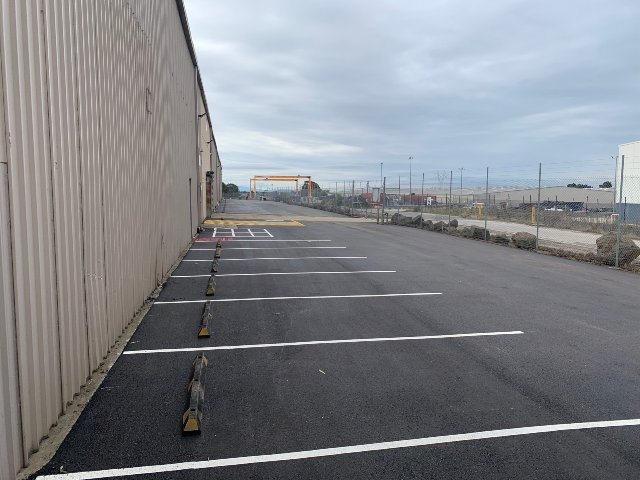
- Pavement Engineering: Undertake geotechnical assessment and Pavement composition design. Pavement thickness is engineered according to subgrade strength, standard axle loads, commercial traffic frequency, and durability expectations. Material selection considers asphalt performance, concrete curing behaviour, reinforcement needs, and long-term maintenance conditions.
- Drainage & Stormwater Design: Stormwater drainage modelling determines pit spacing, kerb inlet capacity, surface flow direction, and discharge points. Detention systems, overland pathways, and pipe gradients are designed to satisfy council engineering guidelines and prevent surface flooding.
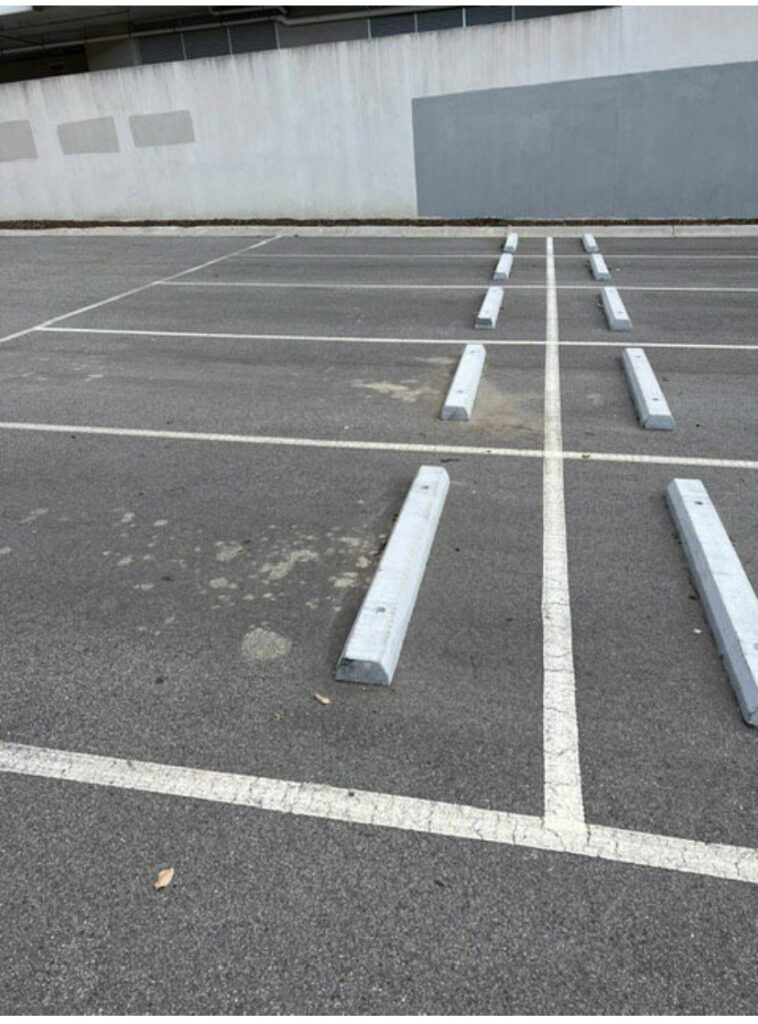
- Line Marking, Signage & Traffic Controls: All movement elements, vehicle flow, pedestrian zones, entry lanes, exit lanes, crossing points, and safety islands are organised to minimise conflict. Signage placement, bollards, and wheel stops support clear direction and hazard control.
- DDA Accessible Parking Design: Accessible bays are designed with specified gradients, compliant widths, shared zones, kerb ramp alignment, and unobstructed routes to building entries. This ensures practicality for mobility-impaired users.
CAR PARK DESIGN & CONSTRUCTION MELBOURNE
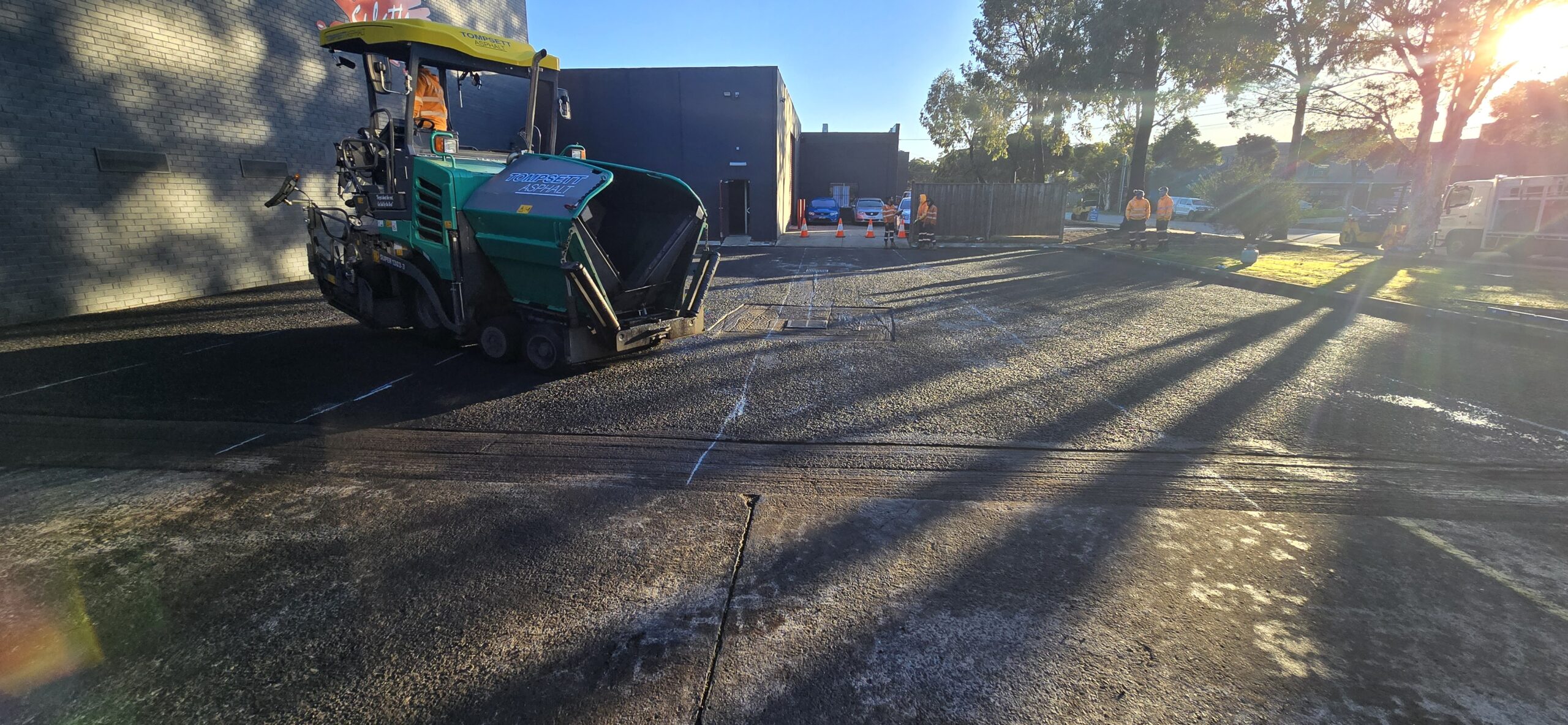
Infra Projects delivers complete car park design and construction services in Melbourne for organisations requiring compliant, high-capacity parking facilities. Our end-to-end process covers site assessment, detailed design, pavement engineering, drainage planning, and full construction delivery, allowing clients to source all car park design services Melbourne from a single engineering provider. Council reviews, service authority coordination, and documentation are handled internally to streamline approvals for new works and upgrades.
Our capability supports a wide range of sectors, including retail centres, industrial estates, commercial precincts, property-managed assets, and government infrastructure. Each parking structure design Melbourne project is engineered around traffic demand, vehicle types, heavy-vehicle circulation, drainage constraints, and safety requirements. This ensures layouts perform reliably under real-site operating conditions.
Infra Projects’ integrated methodology ensures accurate engineering, compliant layouts, and controlled delivery for any car park design & construction requirement in Melbourne.
CAR PARK TYPES WE DELIVER
Parking Structure Design Melbourne for All Sectors
- Government & Council Car Parks: Designed for public access and variable usage patterns. Layouts consider peak-hour flow, bus and service-vehicle movements, pedestrian segregation, and compliant bay sizing. Pavement classes are selected to handle continuous loading and long-term wear, ensuring durability for community facilities and civic precincts.
- Retail & Shopping Centres: Layouts optimised for short-stay demand, rapid turnover bays and trolley bay integration. Vehicle movement paths are arranged to minimise pedestrian conflict, support delivery vehicle access, and maintain visibility at crossing points. These features improve usability for high-volume retail environments.
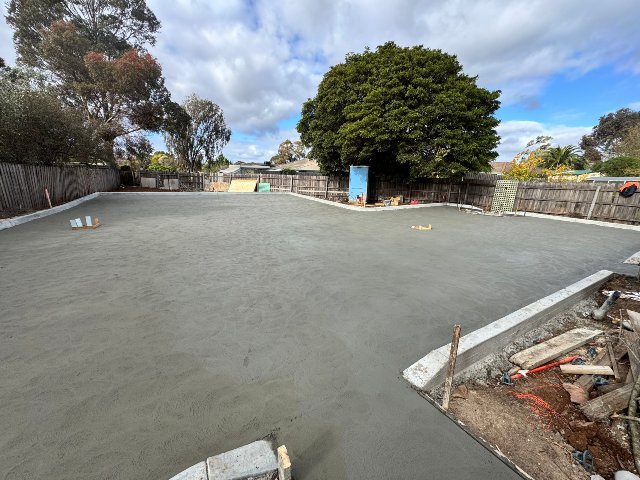
- Industrial & Logistics Yards: Designed for heavy-vehicle access, including B-double, HRV, and articulated truck movements. Swept-path checks confirm compliant turning radii and loading dock access. Reinforced pavement structures and increased layer thicknesses are used to support industrial axle loads and repetitive traffic cycles.
- Commercial Buildings & Offices: Parking structures for commercial facilities include multi-level designs , controlled entry points, and organised pedestrian routing. Movement paths are arranged for efficient circulation, while lighting, gradient, and width controls ensure compliance with AS2890 and internal building access requirements.
- Property Manager Upgrades: Delivered as part of car park design services Melbourne, including re-marking, resurfacing, drainage improvements, signage coordination, and bay reconfiguration to increase capacity. Upgrades address safety, water discharge issues, and wear-related failures often found in managed assets.
- Basement & Mixed-Use Developments: Layouts planned around limited height clearances, tight turning spaces, and controlled gradients. Ramp design, fire access routes, ventilation provision, and structural allowances are coordinated with architectural and services consultants. These designs suit apartments, commercial basements, and integrated mixed-use projects.
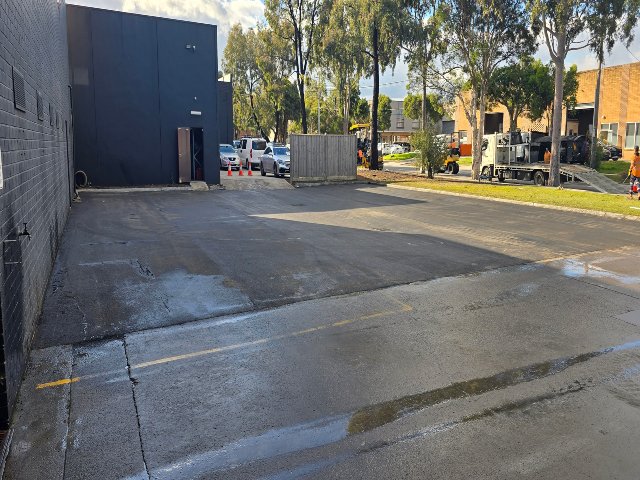
CAR PARK DESIGN COST GUIDE (WHAT INFLUENCES PRICING)
Cost Factors
- Site Conditions And Existing Services: Ground conditions, levels, contamination risk, and underground services influence excavation effort, protection measures, and design complexity.
- Pavement Type and Loading Class: Asphalt or concrete selection, layer thickness, and reinforcement depend on axle loads, traffic frequency, and design life requirements.
- Drainage Complexity: Pit spacing, pipe depth, detention systems, and legal discharge points affect design time and construction scope.
- Traffic Flows and Vehicle Mixes: Passenger vehicles, service trucks, and heavy vehicles require different aisle widths, turning radii, and pavement performance levels.
- Required lighting specifications: Lighting levels, pole heights, fixture types, and electrical reticulation affect installation and operational costs.
- DDA Parking Requirements: Accessible bay numbers, compliant gradients, kerb ramps, and circulation space add design coordination and construction detail.
- Construction Access Limits on Active Sites: Restricted working hours, staged delivery, and traffic management increase program duration and site management effort.
- Council Approval Needs: Review processes, additional documentation, and compliance revisions affect design timelines and consultant involvement.
Typical Pricing Structure
- Design & Documentation: Includes layout planning, compliance verification, and preparation of construction-ready drawings suitable for approvals and procurement.
- Engineering (Pavement and Drainage): Covers structural pavement design, subgrade assessment, and hydraulic calculations in accordance with applicable standards.
- Construction: Scope and cost are site-specific and influenced by site size, pavement classification, drainage requirements, and access constraints.
- Line Marking and Safety Controls: Includes bay marking, directional arrows, signage, bollards, and wheel stops installed in accordance with approved documentation.
SECTORS WE SUPPORT
- Government & Councils: Car park design and construction for public precincts, libraries, sports facilities, and community hubs. Works address public safety, peak usage demand, accessibility requirements, and long-term asset durability.
- Retail Centres: Parking facilities for shopping strips, supermarkets, and bulky-goods retailers. Layouts are planned for high turnover, pedestrian safety, delivery vehicle access, and efficient traffic circulation.
- Industrial & Logistics: Car parks and hardstand areas for warehouses, depots, and transport yards. Designs accommodate heavy vehicles, high axle loads, reinforced pavement,s and operational access requirements.
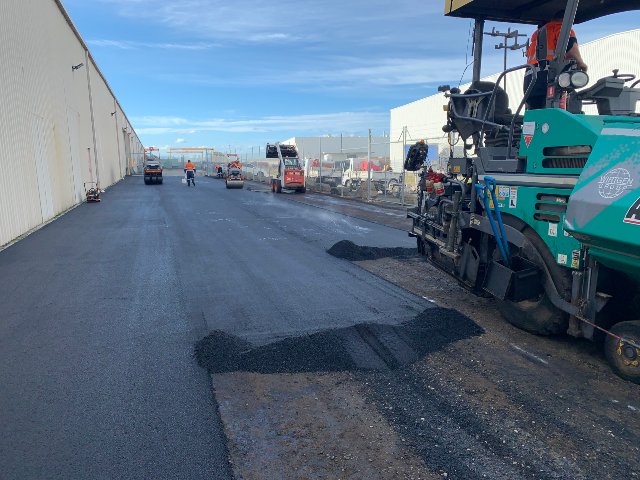
- Commercial Developments: Parking structures for offices, business parks, and medical centres. Layouts consider staff and visitor usage, controlled access, compliance with AS2890, and efficient pedestrian routing.
- Property Managers: Upgrade and maintenance works, including re-marking, resurfacing, drainage corrections, safety compliance, and minor civil works across operational sites.

OUR PROJECTS
COMMERCIAL
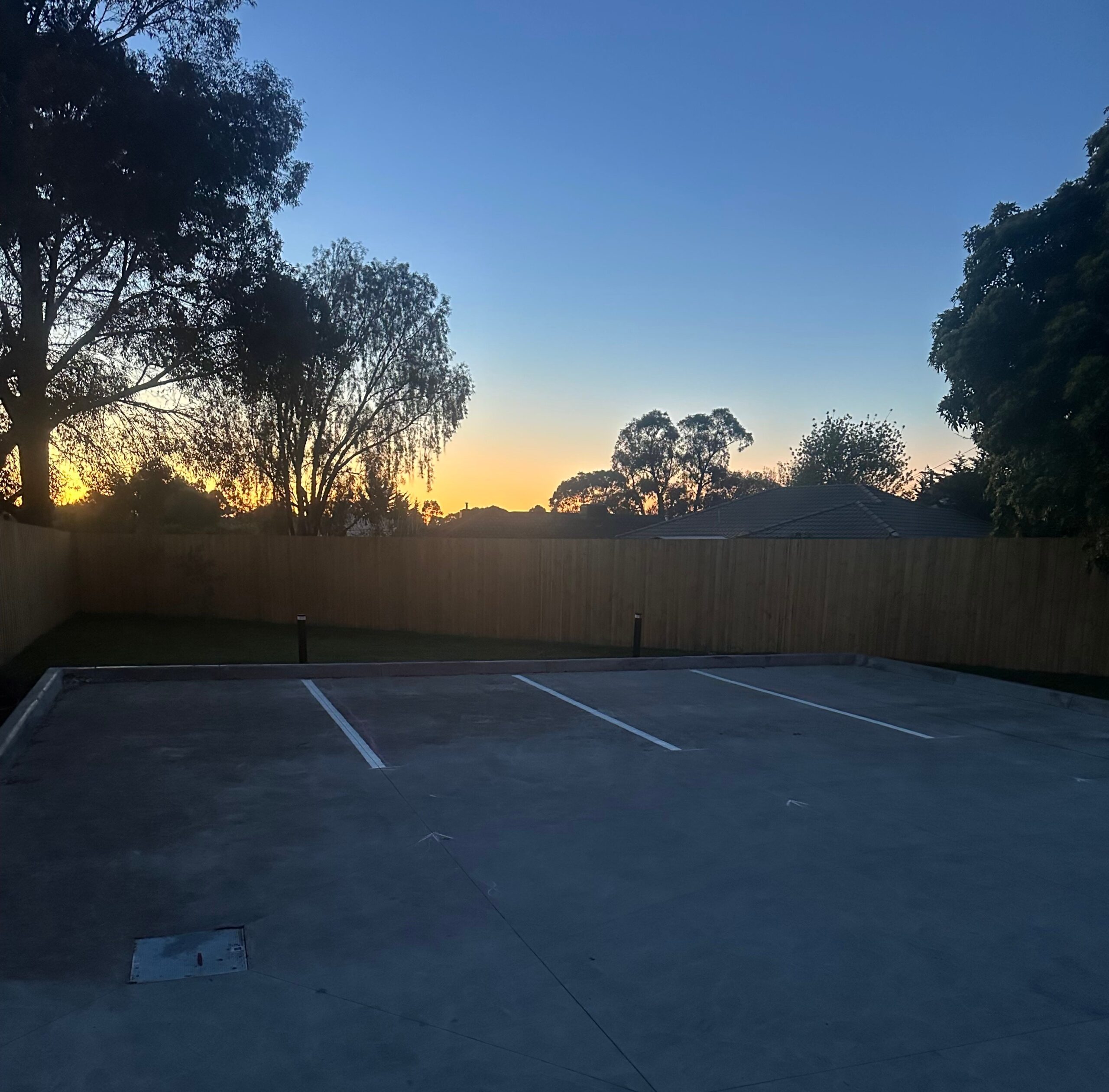
156 Station Road, Melton
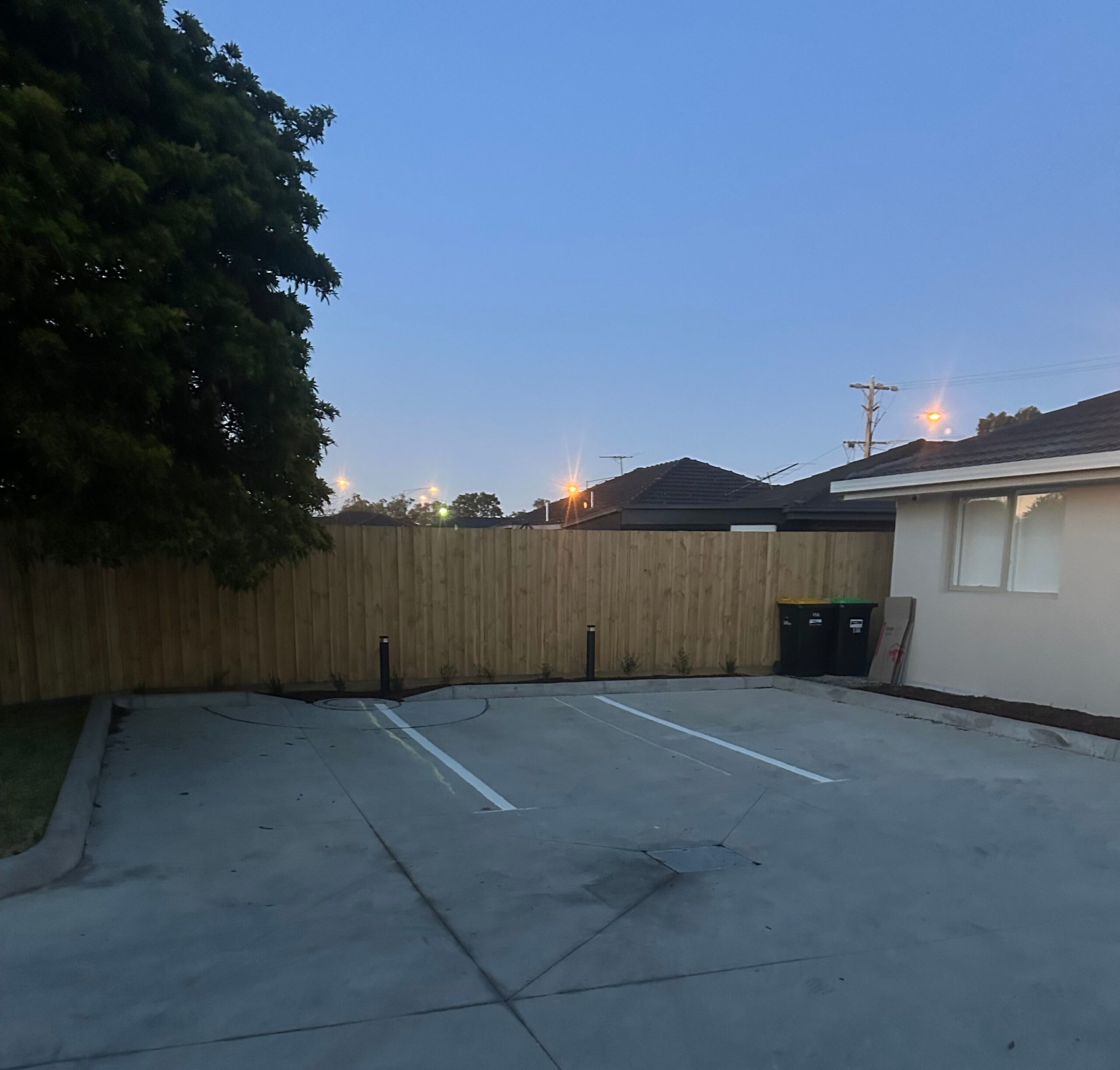
156 Station Road, Melton
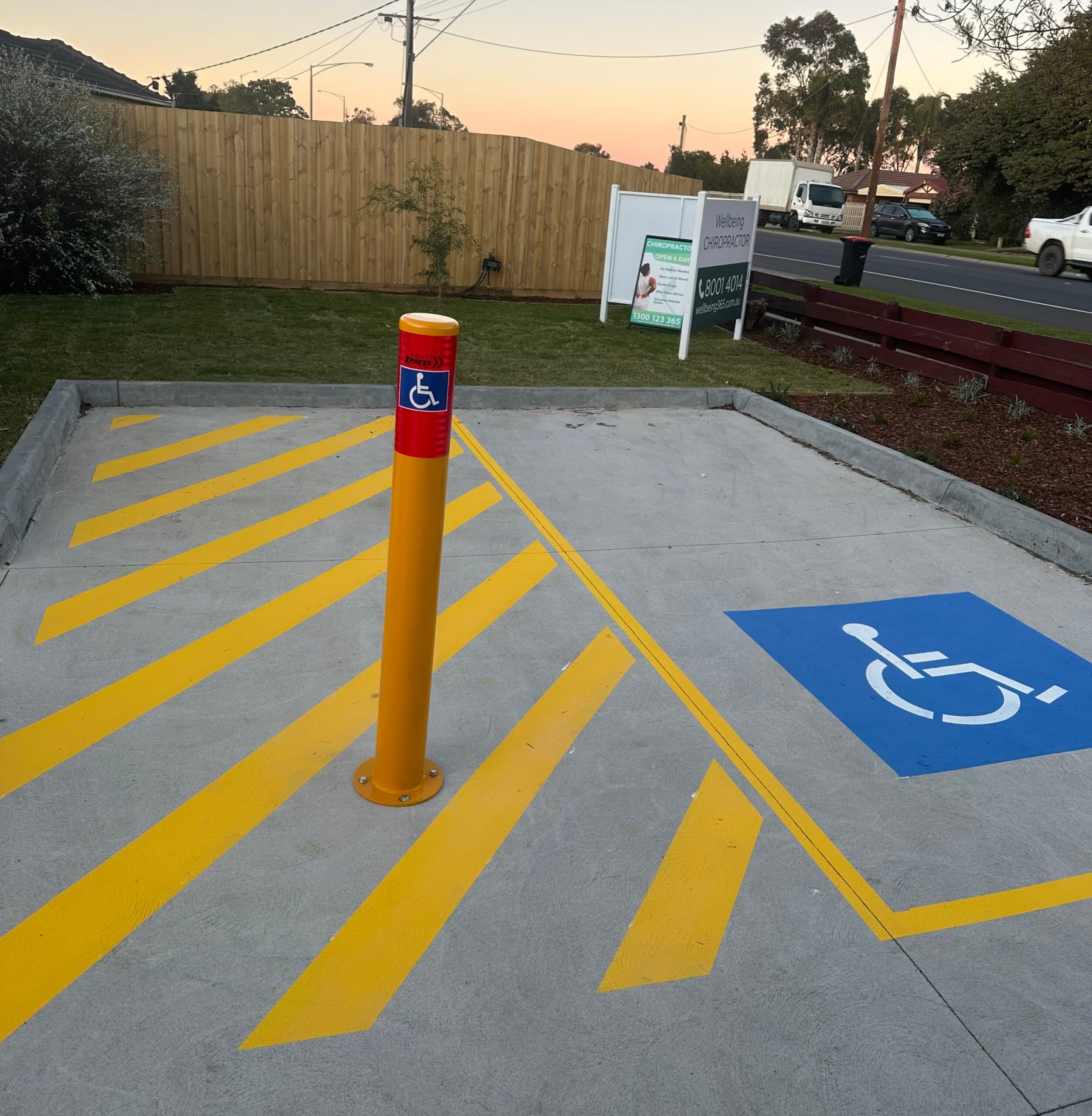
156 Station Road, Melton
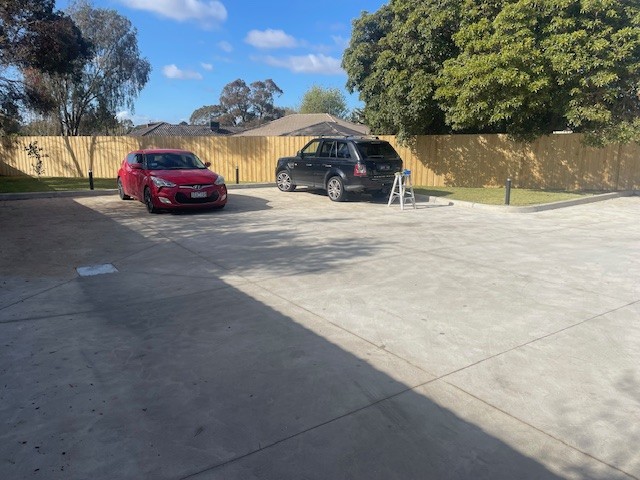
156 Station Road, Melton
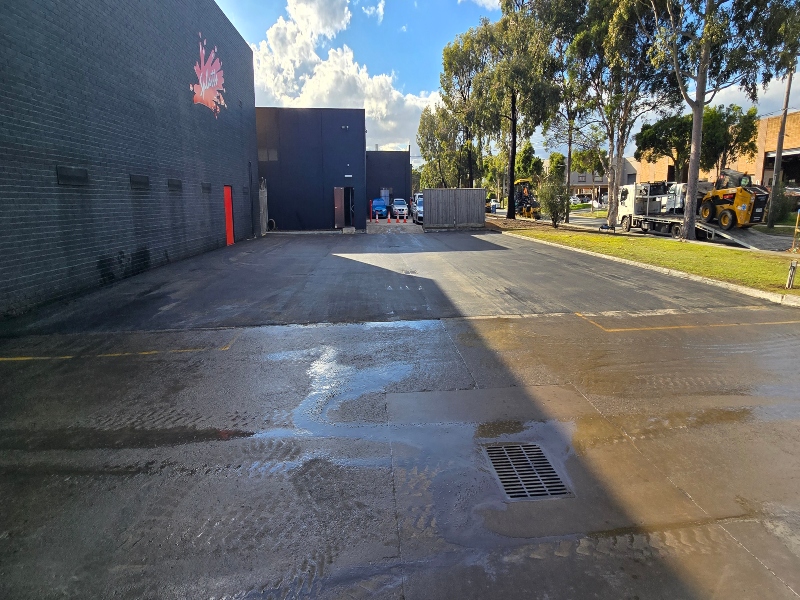
49-53 Geddes Street, Mulgrave
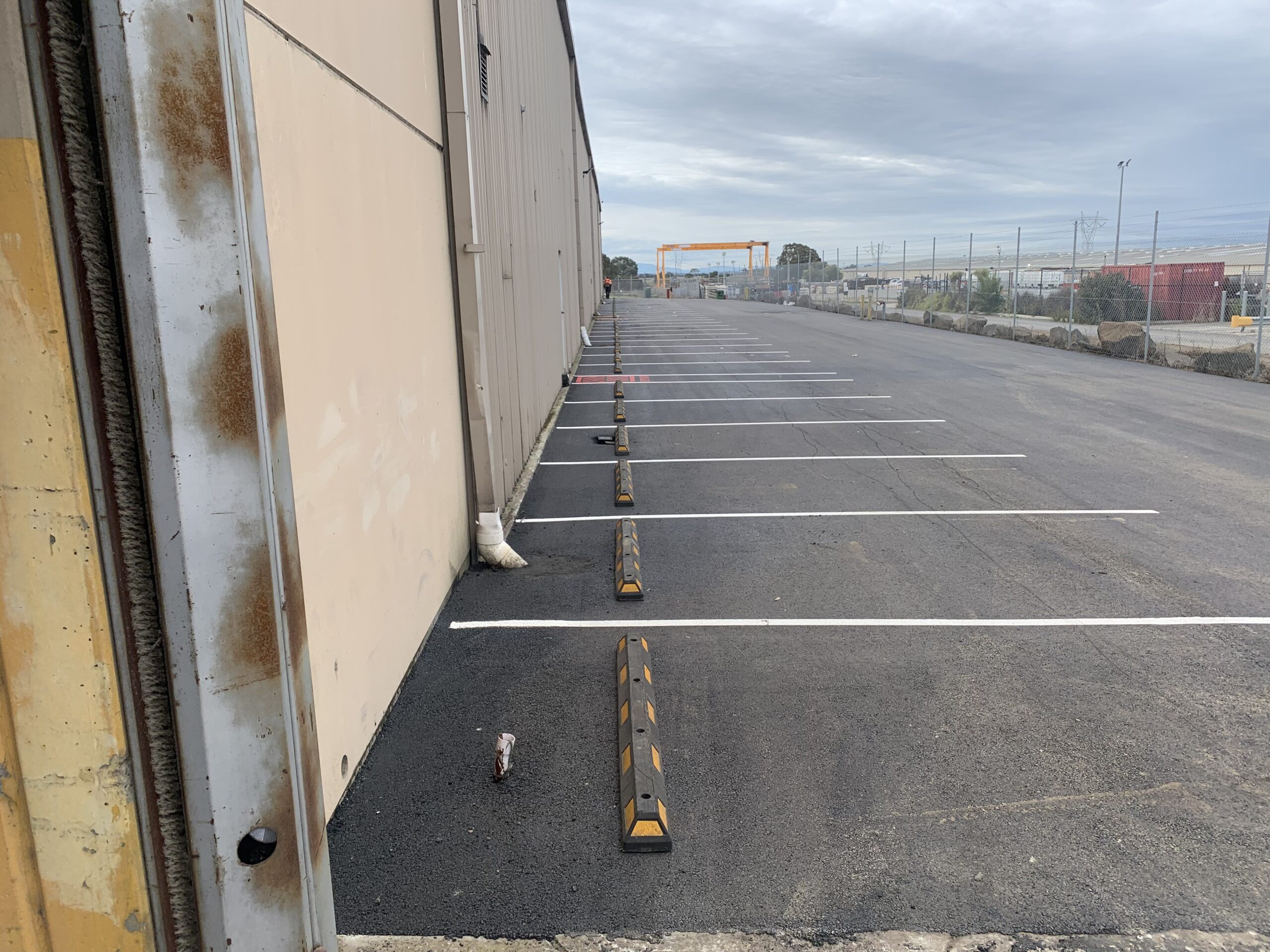
200 Hume HWY, Somerton-Honda