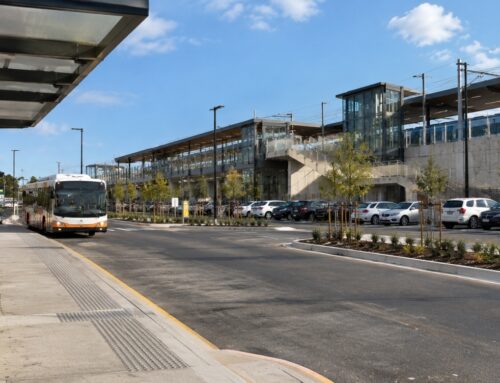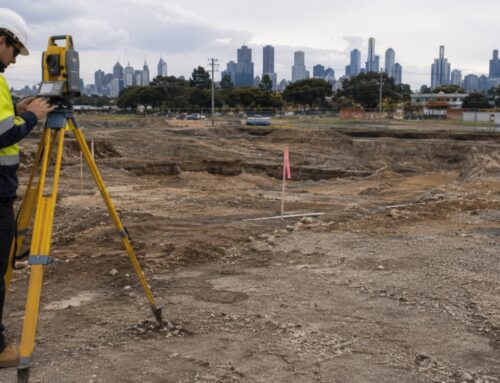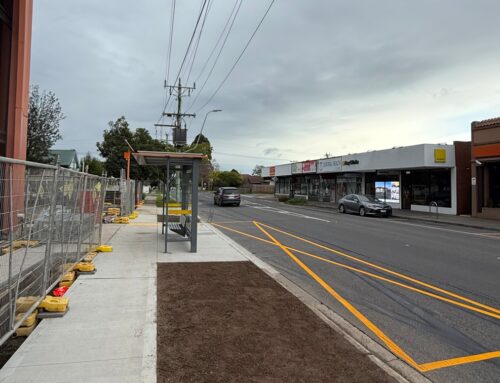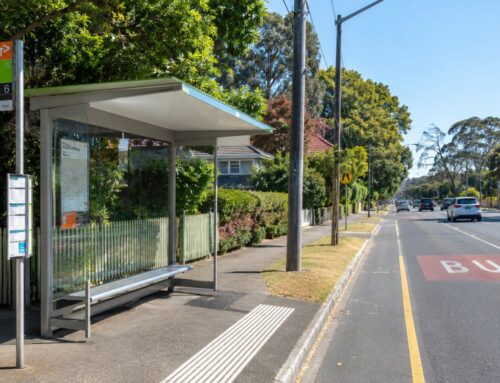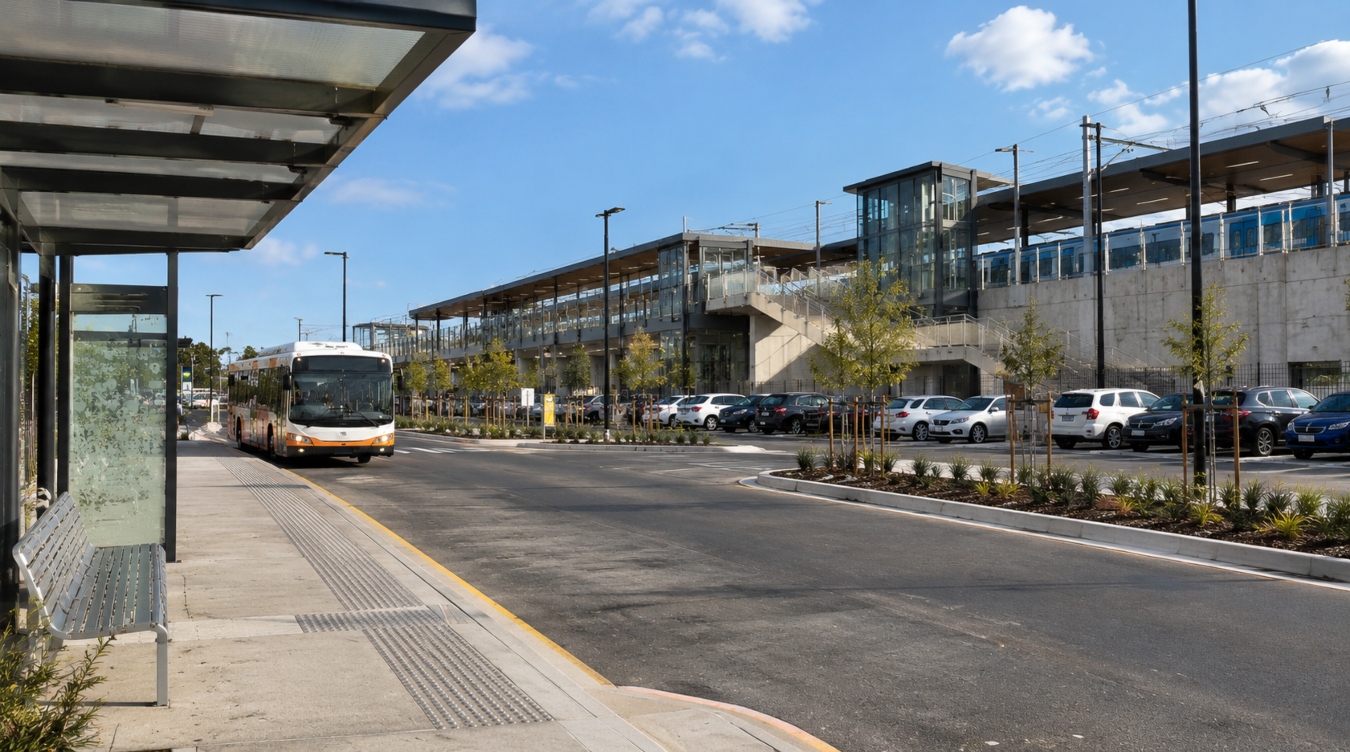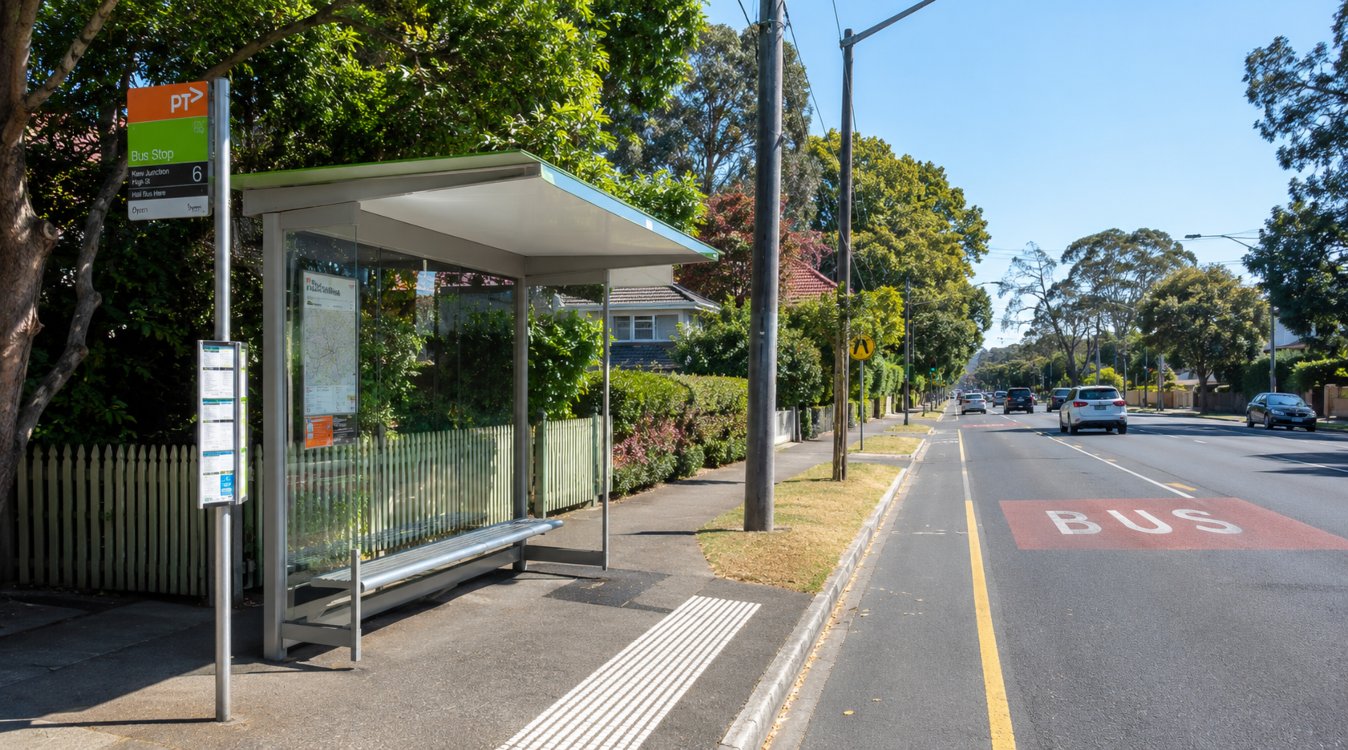
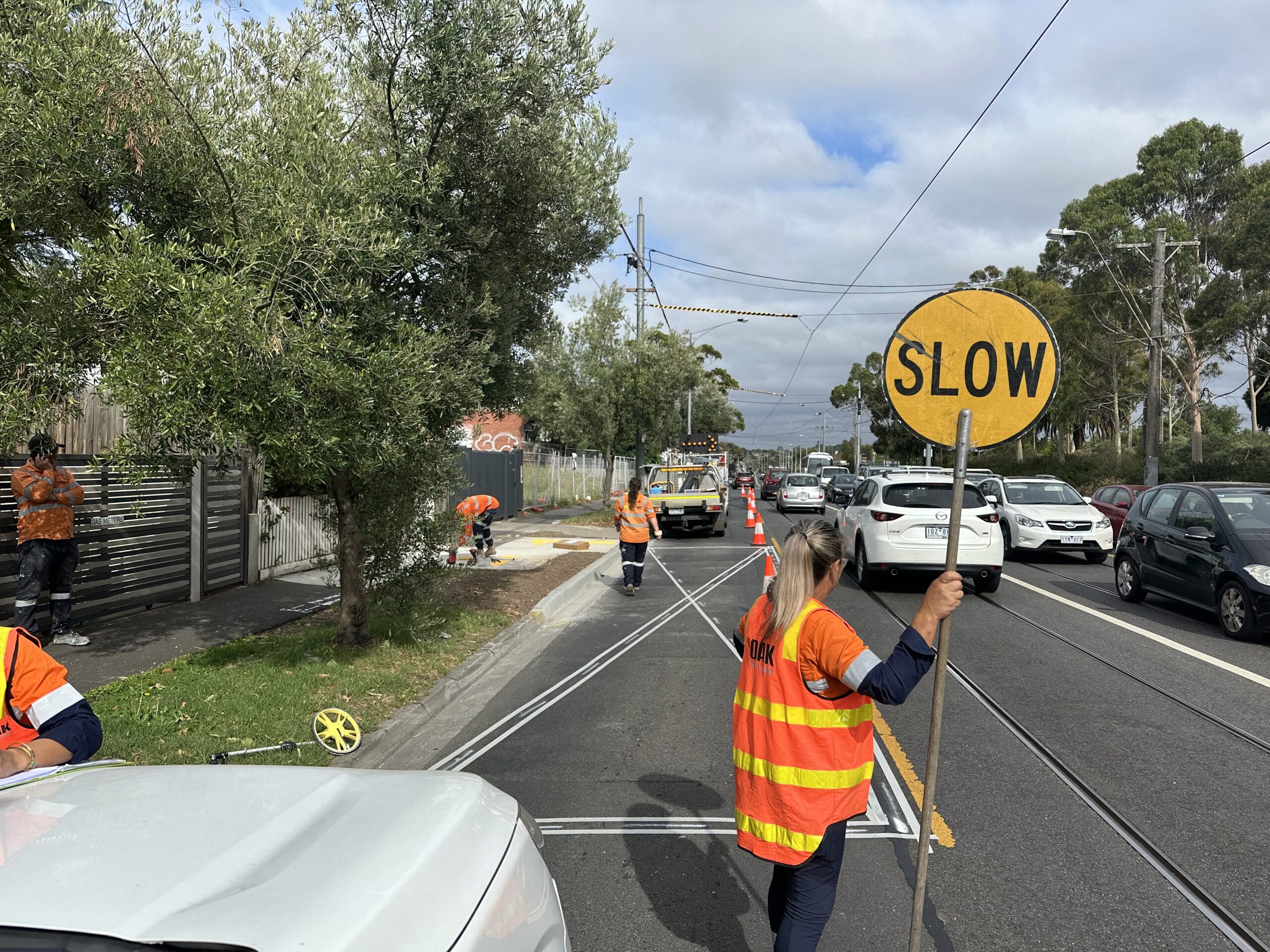
Bus stops play a critical role in Melbourne’s public transport system. They are not just places where people wait for a bus. A well-built bus stop improves safety, accessibility, traffic movement, and the overall experience for daily commuters.
In Victoria, bus stop construction follows a clearly defined process that involves councils, transport authorities, designers, and experienced civil contractors. Every step must meet safety laws, accessibility rules, and construction standards set by the State Government.
This step-by-step guide explains how bus stop construction works in Victoria, from early planning to final approval. It is written for government bodies, transport planners, and civil infrastructure construction companies involved in public works projects across Melbourne.
Understanding Bus Stop Construction in Victoria
Bus stop construction in Victoria is governed by several authorities, including:
- Local Councils
- Department of Transport and Planning (DTP)
- VicRoads (for stops on arterial roads)
- Public Transport Victoria (PTV) guidelines
Each bus stop must support public safety, comply with disability standards, and fit within existing road and footpath networks. A professional bus stop builder understands these obligations and works closely with authorities to ensure compliance at every stage.
Step 1: Identifying the Need for a New or Upgraded Bus Stop
The construction process starts by identifying the need for a new bus stop or an upgrade to an existing one.
This need may arise due to:
- Increased passenger demand
- Road upgrades or new developments
- Community safety concerns
- Accessibility improvements
- Changes to bus routes
Local councils or transport authorities often initiate this stage after receiving feedback from residents, transport operators, or traffic studies.
Step 2: Site Assessment and Feasibility Study
Once a location is identified, a detailed site assessment is carried out.
This stage includes:
- Measuring footpath width and road alignment
- Checking underground services like water, gas, and telecom
- Assessing traffic flow and sight distances
- Reviewing nearby driveways, crossings, and intersections
- Studying drainage and surface conditions
A civil contractor Melbourne based company with local experience is essential at this stage. They understand council requirements, Melbourne soil conditions, and traffic behaviour patterns.
The feasibility study confirms whether the site can support a compliant bus stop layout without affecting safety or traffic movement.
Step 3: Planning in Construction Management
Planning is one of the most important parts of bus stop construction.
During planning in construction management, project teams prepare:
- Concept layouts
- Risk assessments
- Construction schedules
- Traffic management plans
- Budget estimates
All designs must follow:
- Disability Discrimination Act (DDA) guidelines
- Australian Standards
- VicRoads and council design manuals
This stage ensures the project remains practical, safe, and within budget before construction begins.
Step 4: Design Development and Engineering Drawings
After planning approval, detailed design work begins.
Engineering drawings include:
- Bus stop platform levels
- Kerb alignment and heights
- Shelter and seating positions
- Tactile ground surface indicators (TGSIs)
- Drainage details
- Line marking and signage layouts
Designs must provide:
- Safe bus entry and exit
- Clear pedestrian movement
- Easy access for wheelchair users
- Proper space for prams and mobility aids
Experienced bus stop builders ensure the design works not only on paper but also on site.
Step 5: Approvals and Permits
Bus stop construction in Victoria requires multiple approvals before site work starts.
Depending on the location, approvals may be needed from:
- Local council
- Department of Transport and Planning
- VicRoads (for arterial roads)
- Utility providers
Permit approvals often include:
- Road occupation permits
- Traffic control approvals
- Utility asset protection agreements
A skilled civil contractor Melbourne team handles approvals efficiently to prevent delays.
Step 6: Traffic Management Planning
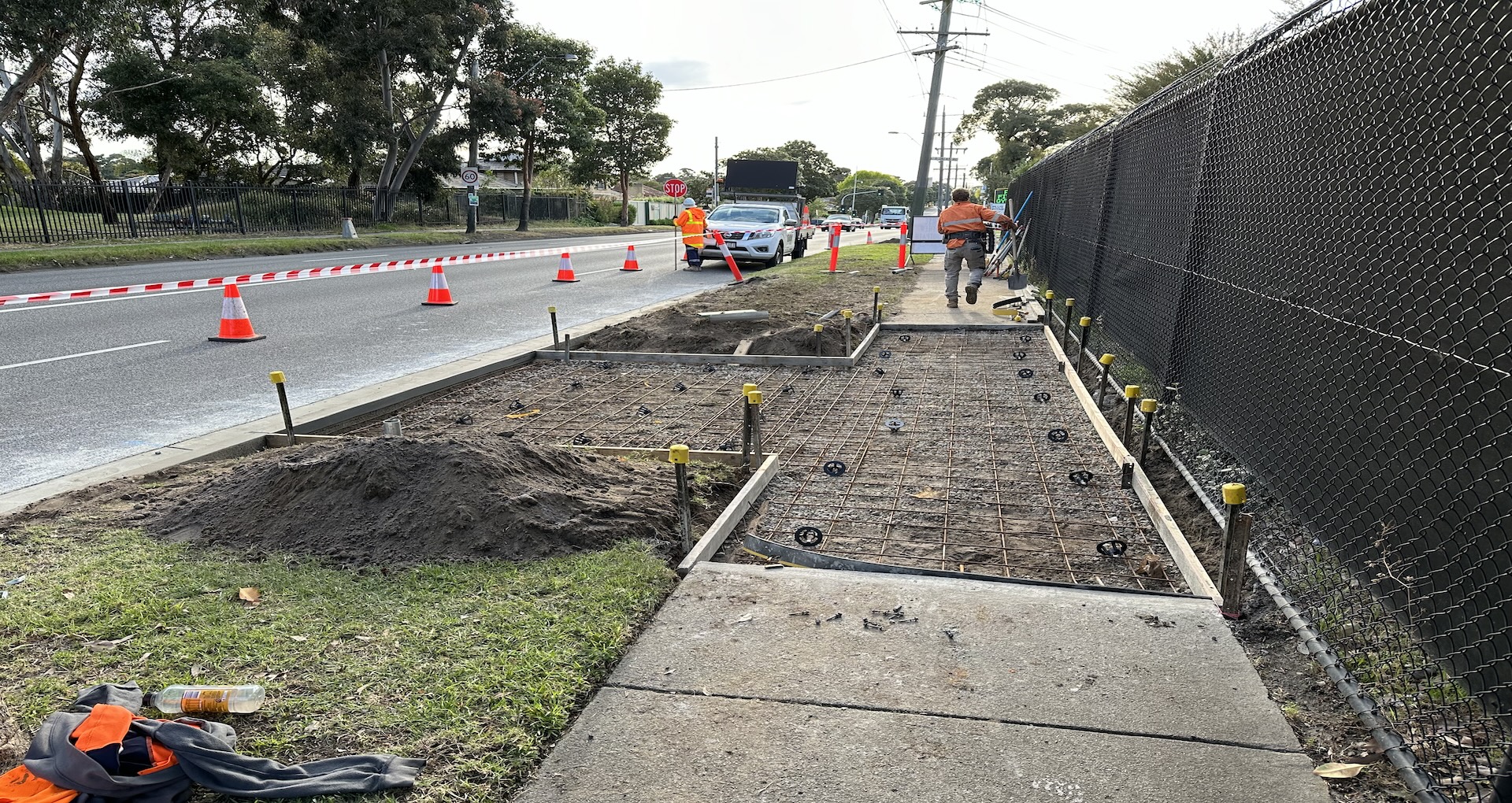
Because bus stops are usually built beside active roads, traffic control is critical.
Traffic management plans must detail:
- Temporary lane closures
- Pedestrian detours
- Safety barriers
- Signage and warning devices
- Work schedules to reduce disruption
All traffic control must comply with Victorian Worksite Safety Traffic Management Codes.
This step ensures safety for workers, pedestrians, cyclists, and drivers during construction.
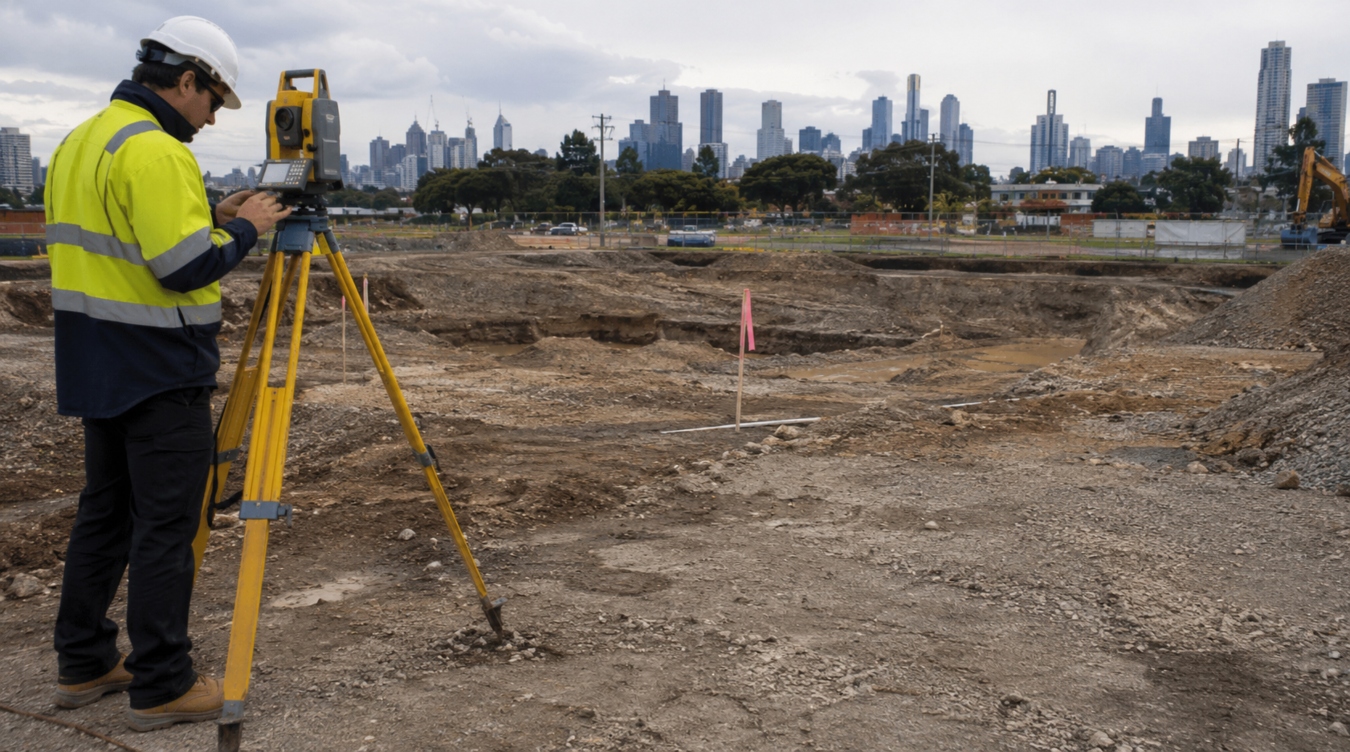
Step 7: Site Preparation Works
Once approvals are in place, construction begins with site preparation.
This includes:
- Setting out survey points
- Saw cutting existing pavement
- Removing old kerbs or footpaths
- Excavation for new base layers
- Protection of nearby services
Clean and accurate site preparation helps avoid rework and supports long-term durability.
Step 8: Kerb and Channel Construction
Kerb alignment is critical for safe bus operations.
Victoria bus stops often require:
- Raised kerbs for level boarding
- Special kerb profiles for low-floor buses
- Accurate stop positioning
Concrete kerbs are poured or installed according to approved drawings. Any errors here can affect bus access and passenger safety.
An experienced bus stop builder ensures kerb heights and alignments meet transport authority requirements.
Step 9: Footpath and Platform Construction
Next, the bus stop platform and surrounding footpaths are built.
This stage may involve:
- Concrete pavement works
- Asphalt surfacing
- Slip-resistant finishes
- Correct cross-falls for drainage
The platform must:
- Be stable and level
- Allow easy movement for people with disabilities
- Connect smoothly with existing footpaths
This step plays a key role in accessibility compliance.
Step 10: Drainage and Water Management
Proper drainage prevents water pooling and long-term damage.
Drainage works include:
- Adjusting existing pits
- Installing new surface drains
- Setting correct falls
- Preventing runoff towards the platform
In Melbourne’s changing weather conditions, good drainage planning protects both structure and users.
Step 11: Installation of Accessibility Features
Accessibility is a legal requirement in Victoria.
Bus stop construction includes:
- Tactile ground surface indicators
- Clearance zones for wheelchairs
- Consistent platform edges
- Clear approach paths
All accessibility features must meet:
- DDA standards
- Australian Standard AS 1428
Civil infrastructure construction teams pay close attention to detail here, as errors can lead to compliance issues.
Step 12: Shelter, Seating, and Fixtures Installation
After structural works, fixtures are installed.
Typical fittings include:
- Bus shelters
- Seating and armrests
- Timetable display panels
- Bin units
Fixtures must be:
- Securely fixed
- Wind and vandal resistant
- Positioned to allow clear movement
Local councils often specify approved shelter designs.
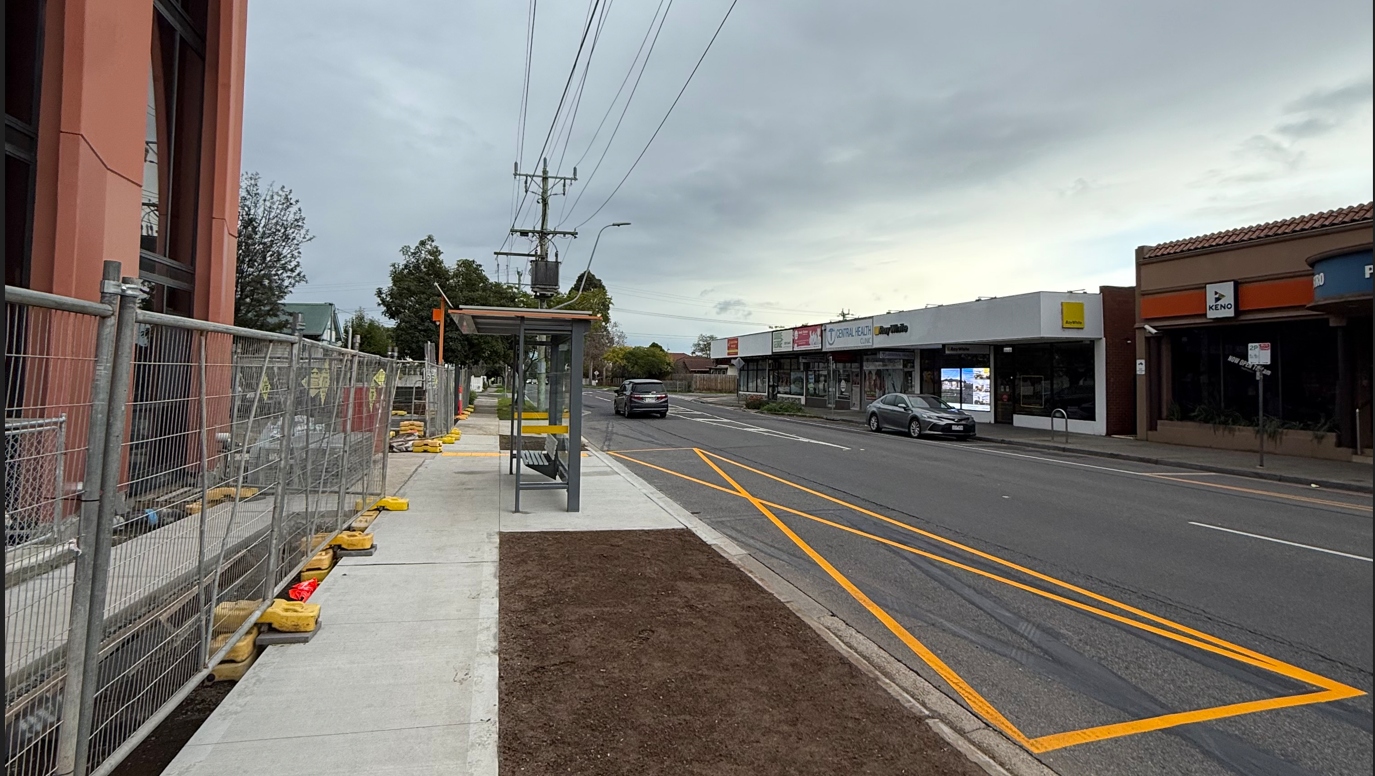
Step 13: Line Marking and Signage
Clear markings help buses stop accurately and guide pedestrians safely.
This stage includes:
- Bus stop road markings
- No-parking lines
- Directional arrows
- Regulatory signs
Line marking must follow VicRoads and council standards to ensure consistency across Melbourne.
Step 14: Final Inspections and Quality Checks
Before opening the bus stop, inspections are carried out.
These checks ensure:
- Work matches approved drawings
- Safety standards are met
- Accessibility compliance is achieved
- Surface finishes are acceptable
Any defects are corrected before final sign-off.
Quality control is essential in civil infrastructure construction projects, especially when public safety is involved.
Step 15: Handover and Project Completion
Once approved, the bus stop is handed over to the council or transport authority.
Handover documents may include:
- As-built drawings
- Compliance certificates
- Maintenance guidelines
The bus stop is then officially added to the public transport network and opened to the public.
Why Experience Matters in Bus Stop Construction
Bus stop construction is not a standard footpath job. It requires:
- Knowledge of Victorian regulations
- Experience with transport authorities
- Skilled planning in construction management
- Strong coordination skills
An experienced civil contractor Melbourne based company reduces risks, prevents delays, and delivers safer outcomes.
Common Challenges in Bus Stop Construction
Projects may face challenges such as:
- Limited site space
- High traffic volumes
- Underground service conflicts
- Weather delays
- Community concerns
Professional planning and early risk assessment help manage these challenges effectively.
The Role of Civil Infrastructure Construction in Melbourne
Bus stops are part of a wider transport system. When built correctly, they support:
- Better public transport access
- Safer streets
- Reduced congestion
- Improved community mobility
Civil infrastructure construction plays a direct role in shaping how Melbourne moves every day.
Conclusion
Bus stop construction in Victoria follows a clear, regulated, and safety-focused process. From early planning to final handover, every step must meet strict standards set by councils and transport authorities.
For government bodies and civil contractors, understanding this process ensures smoother approvals, better construction outcomes, and long-lasting public assets.
Working with an experienced bus stop builder and a trusted civil contractor Melbourne team ensures each project delivers safety, accessibility, and value to the community.