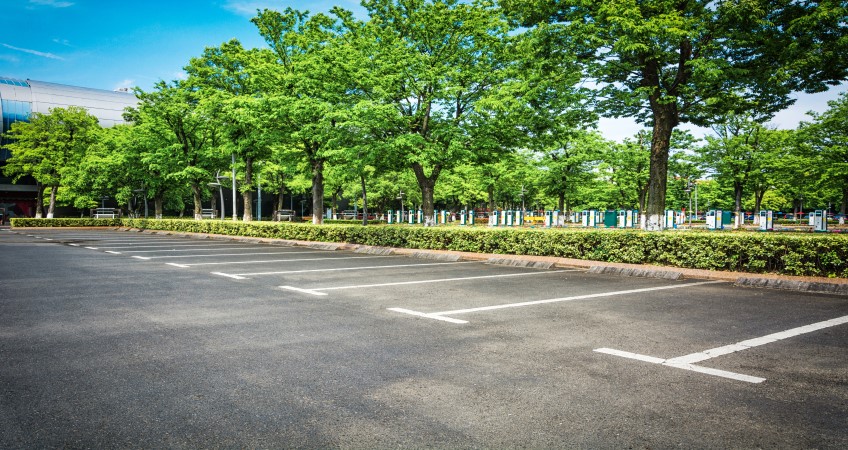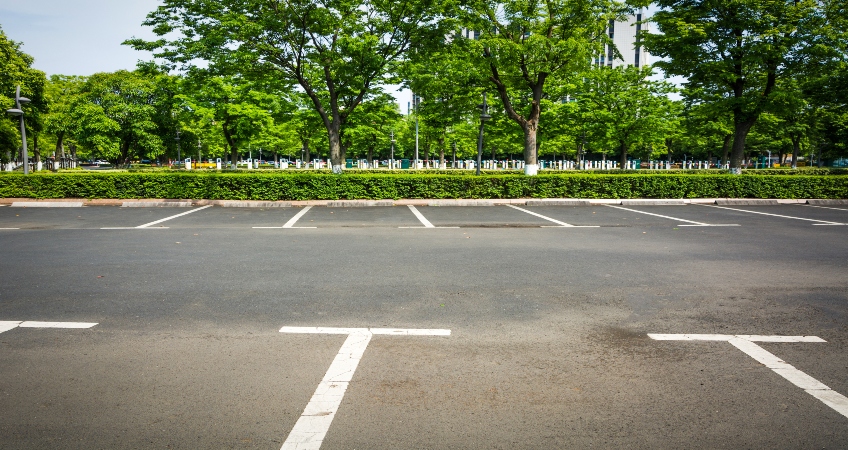
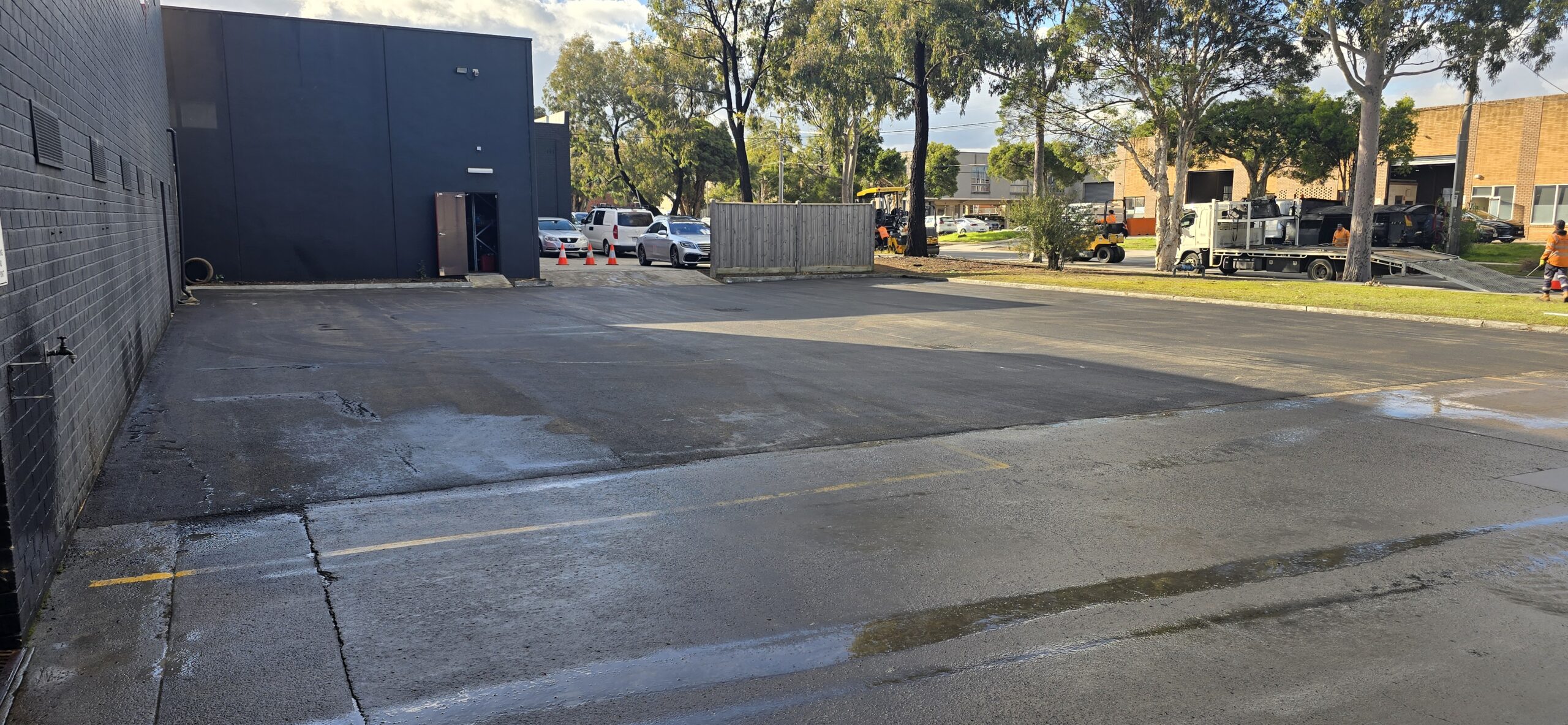
Designing a commercial car park in Melbourne requires technical planning, compliance with local standards, and coordination with experienced professionals. A well-designed facility improves traffic flow, increases safety, and supports long-term durability. Whether it is for a shopping centre, office building, hospital, or industrial site, proper car park design and construction ensures efficient use of space and reduces maintenance issues.
In Melbourne, commercial developments must meet strict planning, safety, and accessibility standards. This article explains the technical process of planning and executing a commercial car park project and highlights the role of a qualified car park contractor and civil contractor Melbourne in achieving successful results.
Understanding Site Requirements in Melbourne
The first step in car park design Melbourne is conducting a detailed site assessment. Every site has different soil conditions, slope gradients, drainage patterns, and access limitations. These factors directly influence structural design and overall car park construction costs.
A professional civil contractor Melbourne will begin with:
- Topographic surveys
- Geotechnical soil testing
- Traffic impact assessments
- Drainage and stormwater studies
Melbourne’s variable weather conditions, including heavy rainfall and temperature changes, require strong pavement design and proper stormwater management systems. Without proper planning, surface failures and water pooling may occur, leading to costly repairs.
Compliance with Local Regulations and Standards
Commercial car park construction Melbourne projects must comply with Victorian planning regulations and Australian Standards. These include requirements for:
- Disabled parking spaces
- Minimum bay dimensions
- Fire access routes
- Pedestrian pathways
- Lighting and signage
- Stormwater management
The Victorian Planning Scheme and individual council regulations specify the required number of parking spaces according to the type of land use. For example, retail facilities typically require more parking spaces per square metre than office buildings.
Working with experienced infrastructure construction services providers ensures compliance from the initial design stage, avoiding delays during permit approval.
Determining Car Park Layout and Traffic Flow
Efficient traffic flow is a major factor in commercial car park design and construction. A poor layout can lead to congestion, safety risks, and inefficient space usage.
The layout should consider:
Entry and Exit Points
Entry and exit locations must allow smooth vehicle movement without affecting public roads. In busy Melbourne suburbs, coordination with traffic engineers may be necessary.
Bay Configuration
Parking bays may be arranged at 90-degree, 60-degree, or 45-degree angles. A 90-degree layout maximises space but requires wider aisles. Angled parking allows smoother movement but reduces total capacity.
Drive Aisle Width
Drive aisle width depends on vehicle type and parking angle. Commercial developments must allow for delivery vehicles and emergency services access.
A skilled car park contractor balances space efficiency with safety to achieve an optimal layout.
Pavement Design and Material Selection
Pavement design is one of the most technical aspects of car park construction Melbourne. The selection between asphalt and concrete should be based on expected traffic load, available budget, and long-term maintenance requirements.
Asphalt Pavement
Asphalt is flexible and cost-effective. It is commonly used in commercial projects due to faster installation times and lower initial car park construction costs. However, it requires periodic resurfacing.
Concrete Pavement
Concrete offers higher durability and lower long-term maintenance. It is suitable for heavy traffic areas such as shopping centres or industrial facilities.
The pavement thickness is determined based on projected vehicle load, soil bearing capacity, and expected lifespan. A civil contractor Melbourne performs structural calculations to ensure the pavement meets Australian standards.
Drainage and Stormwater Management
Melbourne experiences regular rainfall, so proper drainage design is essential. Poor drainage can weaken the pavement structure and create safety hazards.
Drainage systems typically include:
- Surface grading with proper fall
- Spoon drains and kerb channels
- Underground drainage pipes
- Gross pollutant traps
Stormwater must be directed to approved discharge points in compliance with council regulations. Infrastructure construction service providers incorporate drainage planning at the initial design stage to prevent expensive modifications later.
Lighting and Safety Considerations
Safety is a critical factor in commercial car park design Melbourne. Adequate lighting improves visibility and reduces accident risks.
LED lighting systems are commonly installed because they consume less energy and offer long service life. Lighting placement should eliminate dark spots while minimising glare.
Additional safety measures include:
- Line marking and directional arrows
- Speed humps and traffic calming devices
- Pedestrian crossings
- CCTV surveillance systems
Clear signage and properly marked bays enhance both user experience and compliance with accessibility standards.
Accessibility and DDA Compliance
Commercial car parks must comply with Disability Discrimination Act (DDA) requirements. This includes:
- Designated accessible parking spaces
- Wider bays
- Clear access paths
- Proper signage and surface markings
Accessible spaces should be located close to building entrances. A professional car park contractor ensures these requirements are integrated into the overall layout rather than treated as an afterthought.
Estimating Car Park Construction Costs
Car park construction costs in Melbourne vary depending on technical, environmental, and material factors. Each project is unique, and accurate budgeting requires site investigation, engineering input, and detailed scope definition. Below is a structured overview of the main cost components involved in commercial car park construction Melbourne projects.
| Cost Factor | Description | Impact on Overall Cost |
| Site Preparation | Clearing, demolition, and excavation works before construction begins | Higher if the site has existing structures or requires major earthworks |
| Soil Conditions | Ground strength and stability based on geotechnical testing | Weak or reactive soils increase costs due to stabilisation or replacement |
| Pavement Type | Selection between asphalt or concrete surface | Asphalt has lower initial cost; concrete offers longer lifespan and lower long-term maintenance |
| Drainage Infrastructure | Stormwater pipes, pits, kerbs, and grading systems | Complex drainage layouts increase material and labour costs |
| Lighting and Electrical Works | Installation of LED lighting, cabling, switchboards, and safety systems | Larger sites or higher safety standards increase electrical expenses |
| Line Marking and Signage | Parking bay marking, accessible spaces, directional signs | Moderate cost but essential for compliance and safety |
Excavation and ground improvement can significantly increase car park construction costs if poor soil conditions are identified during testing. Additional stabilisation layers, deeper excavation, or imported fill materials may be required.
Although asphalt pavement typically involves lower upfront costs, concrete may provide better long-term value due to reduced maintenance and longer service life. The choice should align with projected traffic loads and lifecycle expectations.
A comprehensive cost estimate developed by an experienced civil contractor in Melbourne helps developers accurately project expenses and effectively control financial risks. Careful planning, proper design, and quality workmanship help minimise future repair costs and ensure the long-term performance of the facility.
Sustainability and Environmental Considerations
Sustainable design is increasingly important in Melbourne commercial developments. Modern car park design and construction incorporates environmentally responsible practicses such as:
- Permeable pavements
- Water-sensitive urban design (WSUD)
- Energy-efficient LED lighting
- Electric vehicle charging stations
Integrating EV charging infrastructure prepares the facility for future demand and increases property value.
Stormwater treatment systems can reduce pollutants before discharge, supporting environmental compliance.
Construction Process and Project Management
Once the design is finalised and permits are approved, construction begins on site. This phase must follow approved engineering drawings and local regulations. A professional car park contractor manages sequencing, labour, materials, and safety to ensure the project is delivered efficiently and within budget.
Site Clearing and Excavation
The first step is clearing the site of vegetation, debris, or existing pavement. Excavation is carried out to the required depth based on pavement design and soil test results. The surface is then shaped to achieve proper levels and drainage falls as per the approved car park design Melbourne plans.
Surveyors set control points to ensure accuracy during construction.
Subgrade Preparation and Compaction
The subgrade is the natural soil layer supporting the pavement. It must be stable and properly compacted. Weak areas are removed or stabilised using lime or cement if required.
Mechanical compaction is performed in layers, and density tests are conducted to confirm compliance. A qualified civil contractor Melbourne ensures the subgrade meets structural standards to prevent future settlement.
Drainage Installation
Drainage systems are installed before pavement layers are placed. This includes underground pipes, pits, and surface drains. Proper grading directs stormwater toward collection points.
In Melbourne projects, effective drainage is essential to protect pavement integrity and reduce maintenance. Infrastructure construction services teams ensure compliance with council stormwater requirements.
Base Layer Construction
The base layer provides structural strength and distributes vehicle loads. Crushed rock or engineered base material is placed in layers and compacted thoroughly.
Quality control testing is performed to check thickness and compaction levels. A strong base reduces long-term car park construction costs by preventing cracking and surface failure.
Asphalt or Concrete Paving
The final surface layer is either asphalt or concrete, depending on project requirements.
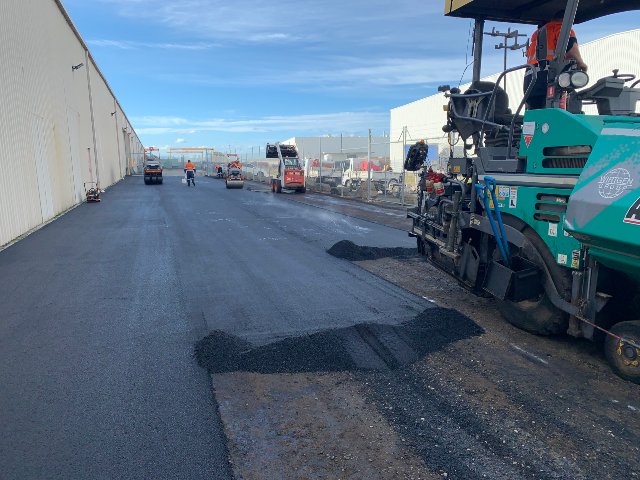
- Asphalt is laid using paving machines and compacted while hot for a smooth finish.
- Concrete is poured, levelled, jointed, and cured to achieve durability.
The surface must meet level tolerances and drainage gradients defined in the car park design and construction documentation.
Line Marking, Signage, and Lighting
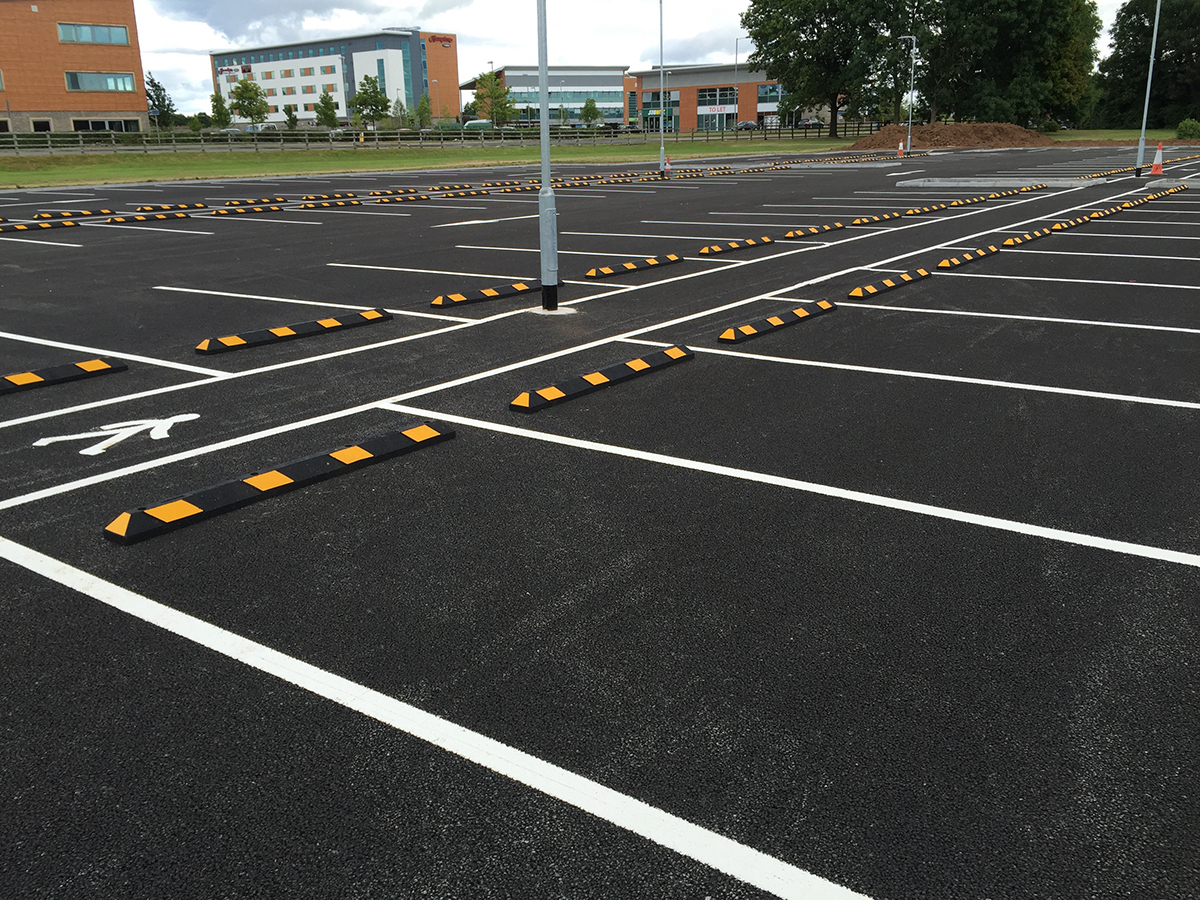
After paving, line marking is applied to define parking bays, accessible spaces, directional arrows, and pedestrian crossings. Durable paint or thermoplastic materials are used for longevity.
Signage is installed according to Australian Standards. Lighting and electrical works follow, including LED light poles, underground cabling, and safety systems. Proper illumination improves visibility and user safety.
Project timelines depend on project size and weather conditions. Melbourne’s changing weather patterns can affect construction scheduling, especially during heavy rainfall.
An experienced car park contractor manages timelines, coordinates subcontractors, and ensures quality control throughout the project.
Maintenance Planning for Long-Term Performance
Designing a commercial car park does not end at construction completion. Long-term performance depends on proper maintenance planning.
Maintenance strategies include:
- Regular inspections
- Crack sealing
- Asphalt resurfacing
- Line remarking
- Drainage cleaning
Early detection of minor issues prevents structural damage and extends pavement life. A reliable civil contractor Melbourne can provide ongoing maintenance support as part of infrastructure construction services.
Choosing the Right Car Park Contractor in Melbourne
Choosing the right car park contractor is essential to ensure successful project completion. When evaluating a car park contractor, consider:
- Experience in commercial car park construction Melbourne
- Knowledge of local council regulations
- In-house engineering capability
- Proven project portfolio
- Transparent pricing structure
A contractor with strong expertise in car park design and construction ensures that both functional and structural requirements are met efficiently.
Collaboration between developers, engineers, and contractors ensures the project aligns with operational needs and long-term asset management strategies.
Conclusion
Designing a commercial car park in Melbourne requires detailed planning, technical expertise, and strict compliance with local regulations. From site analysis and pavement design to drainage systems and safety features, every stage impacts performance and durability.
Accurate planning helps control car park construction costs while delivering a safe and efficient facility. Engaging a qualified car park contractor and experienced civil contractor Melbourne ensures that the project meets structural standards and operational requirements.
With proper car park design Melbourne strategies and professional infrastructure construction services, commercial developments can create durable, safe, and future-ready parking facilities that support business growth across Melbourne, Australia.