Navigating the complexities of urban infrastructure requires a precise understanding of regulatory standards and engineering specifications. In Melbourne, the design and installation of bus stops are governed by a strict framework ensuring safety, accessibility, and operational efficiency.
For developers, local councils, and civil contractors, meeting these standards goes beyond a legal requirement—it is a critical component of high-quality bus stop construction. This guide outlines the essential technical requirements and the stages of bus stop construction in Victoria.
1. Regulatory Framework and Accessibility
In Melbourne, bus stop design is primarily dictated by the Disability Standards for Accessible Public Transport (DSAPT) under the federal Disability Discrimination Act (DDA). Public Transport Victoria (PTV) and the Department of Transport and Planning (DTP) provide the localised technical guidelines that translate these federal laws into actionable engineering drawings.
Key Compliance Metrics:
- Boarding Points: Every new stop must feature a level boarding area (hardstand).
- Manoeuvring Areas: A minimum unobstructed space of 2070mm * 1540mm is required to allow wheelchair users to turn 180 degrees.
- Gradient Limits: The boarding point should ideally have a gradient no steeper than 1:40 (2.5%) in any direction to prevent mobility aids from rolling.
2. Infrastructure Design Requirements
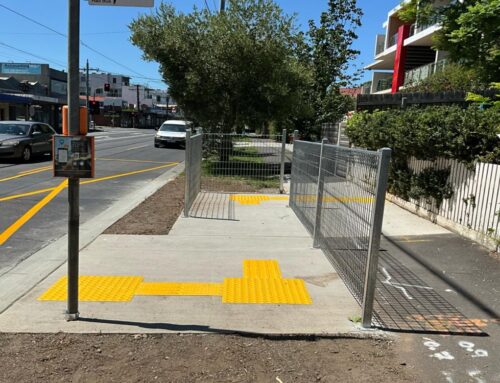
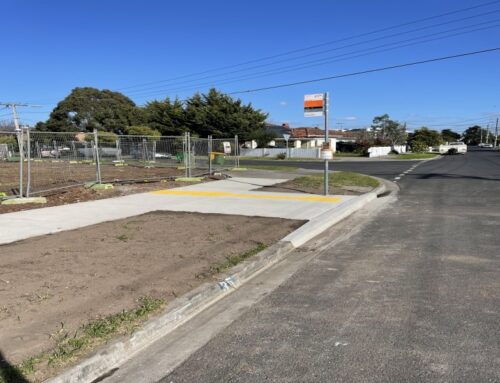
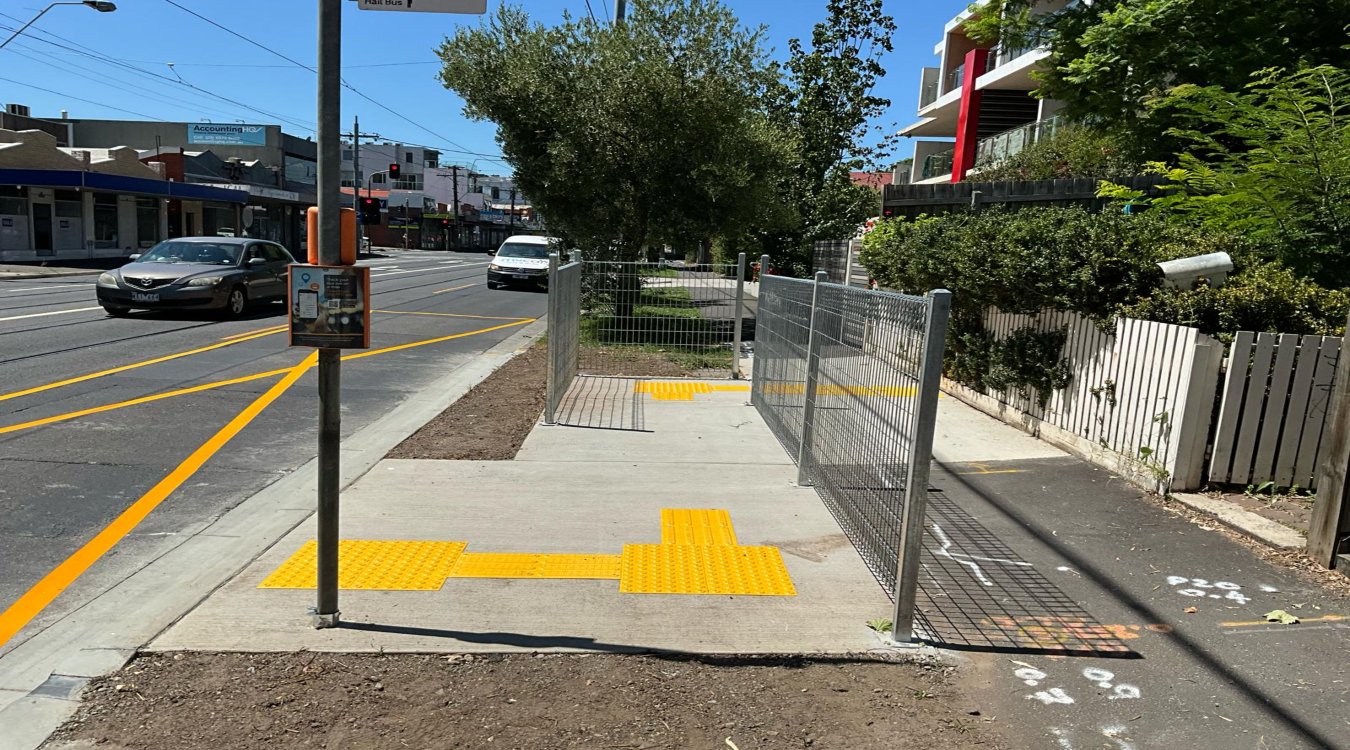
A robust bus stop is more than just a pole in the ground. Professional bus stop design services in Melbourne focus on three core physical components: the hardstand, the kerbing, and the tactile indicators.
The Hardstand (Waiting Area)
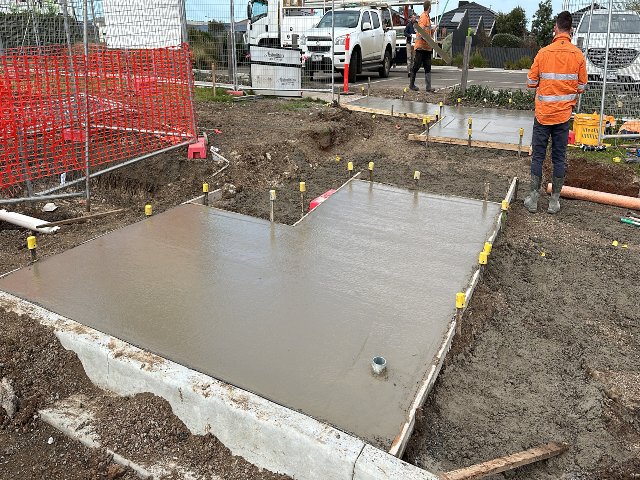
The hardstand must be constructed from slip-resistant materials, typically reinforced concrete.
- Dimensions: Standard boarding areas are typically 3.0m * 3.0m, though this varies based on the expected passenger volume and bus type.
- Thickness: For heavy-duty use, a concrete thickness of 150mm with SL82 mesh reinforcement is common to prevent cracking under high foot traffic.
Kerb and Channel Specifications
The height of the kerb at the boarding point is critical for the deployment of bus ramps.
- Standard Kerb Height: A height of 150mm is standard in Melbourne to minimise the vertical gap between the bus floor and the pavement.
- Indented Bus Bays: On high-speed roads, an “indented” bay may be required. This involves bus stop construction that deviates from the main carriage, requiring a minimum entry taper of 15m to 25m to allow the bus to decelerate safely.
3. Essential Passenger Amenities
While the concrete foundation is the priority, a functional bus stop requires specific furniture and signage to meet Melbourne’s service standards.
Shelters and Seating
- Clearance: Shelters must be positioned so they do not obstruct the “clear path of travel.” A minimum of 1.2m of clearance is required around the shelter for pedestrians.
- Visibility: Glass or transparent panels are preferred to ensure the bus driver can see waiting passengers and passengers can see the approaching bus.
- Seating: Benches must be designed with armrests to assist elderly passengers in sitting and standing, meeting DDA height requirements (usually between 400mm and 450mm).
Lighting and Safety
Safety is a core requirement for any civil contractor in Melbourne. Standard designs often include:
- Lux Levels: Adequate lighting (measured in lux) to ensure the stop is safe at night and that the bus driver can see the boarding area clearly.
- Anti-Graffiti Coatings: To maintain the aesthetic and reduce maintenance costs, shelters are often treated with specialised coatings during the busstop design and installation phase.
4. Stages of Bus Stop Construction in Victoria
Successfully delivering a bus stop project requires rigorous construction project management. To achieve a high-quality result, the process follows a structured lifecycle known as the stages of bus stop construction in Victoria, ensuring that every technical detail meets the strict standards set by the Department of Transport and Planning (DTP).
| Stage | Activity | Key Deliverable |
| 1. Site Assessment | Evaluation of underground utilities, sightlines, and proximity to intersections. | Site Feasibility Report |
| 2. Detailed Design | Engineering drawings including drainage, TGSIs, and shelter footings. | Approved Design Package |
| 3. Approvals | Liaison with PTV, local council, and VicRoads (if on a declared road). | Permit to Work |
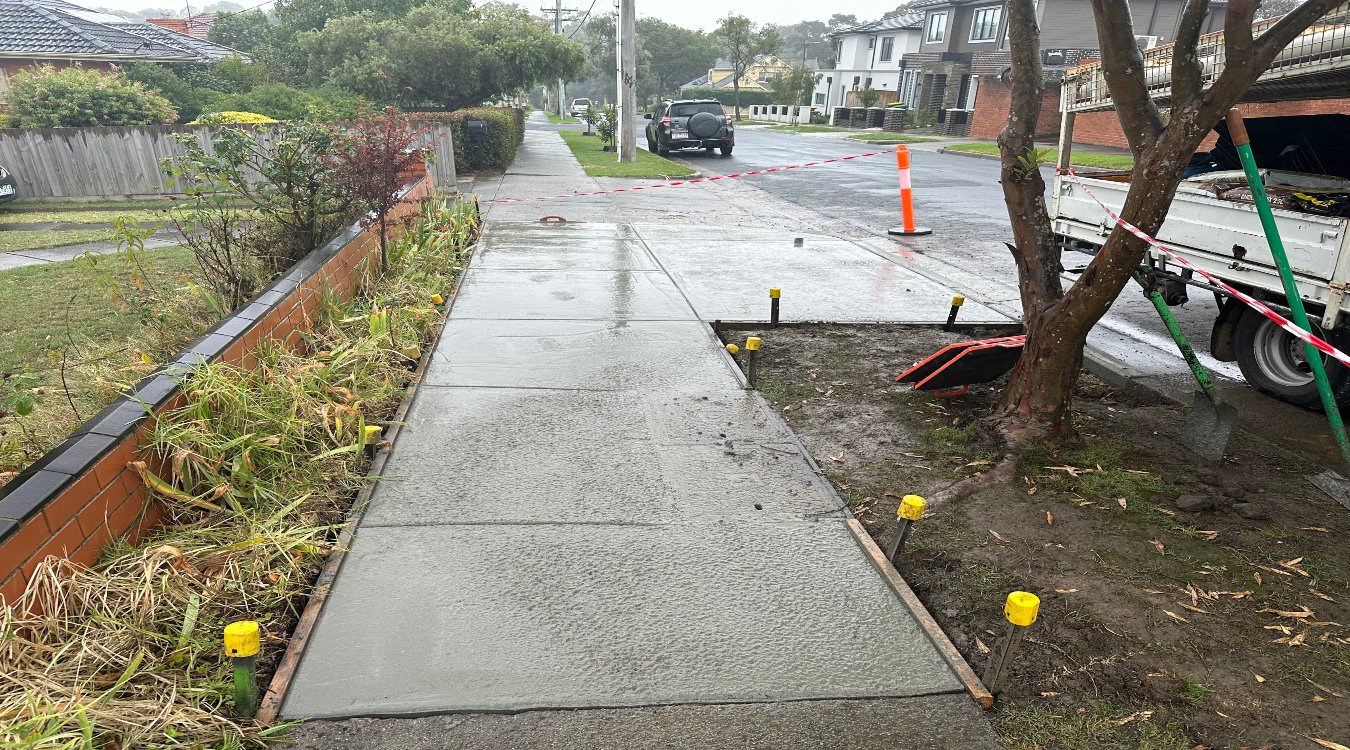
| 4. Civil Works | Excavation, formwork, and pouring of the concrete hardstand. | Structural Integrity |
| 5. Installation | Fitting of the bus shelter, seating, and signage (flags). | Functional Bus Stop |
| 6. Certification | Final DDA compliance audit and handover to the asset owner. | Compliance Certificate |
5. Engineering for Longevity: The Role of the Contractor
Engaging an experienced civil contractor in Melbourne is vital for navigating the technical nuances of the Victorian road network. Beyond the concrete, contractors must manage:
- Drainage Systems: Proper cross-falls are necessary to ensure water flows away from the waiting area and into the pit-and-pipe network. Standing water is a slip hazard and can damage the pavement over time.
- Service Relocation: Identifying and protecting assets such as Telstra pits, gas lines, or water mains during the excavation phase.
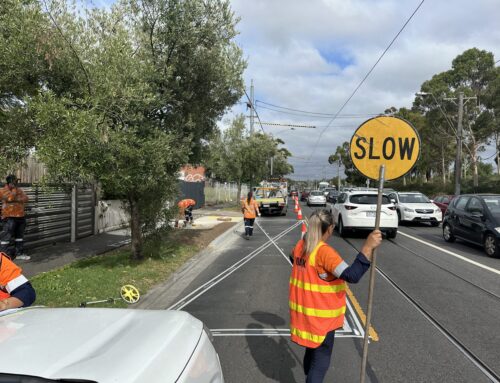
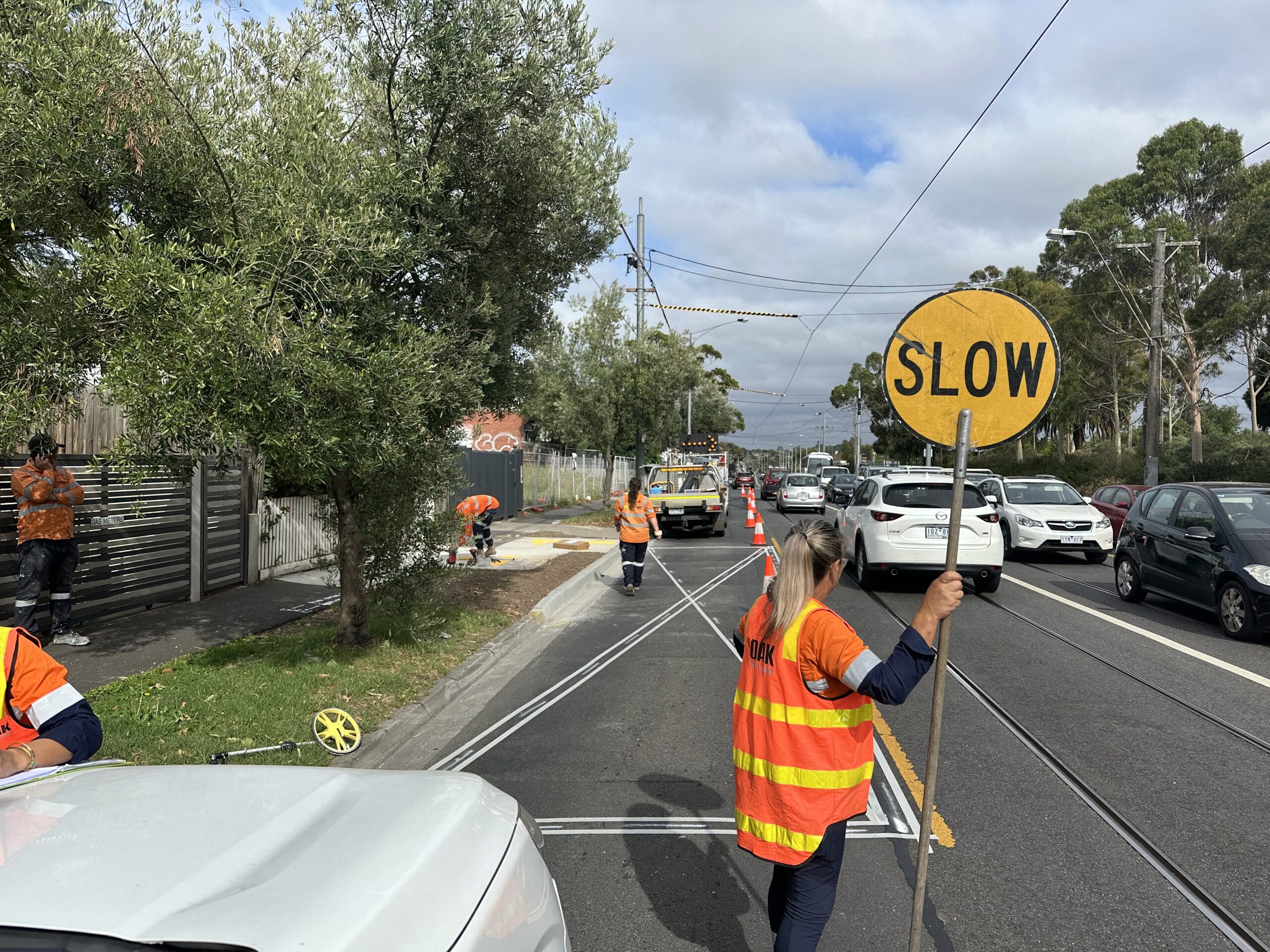
- Traffic Management: Implementing safe work zones (Memorandum of Consent) to protect workers and the public during the construction phase.
Technical Note: All signage and “flags” must be installed at a height of 2500mm to the bottom of the sign to prevent head height hazards while remaining visible to bus drivers from a distance.
6. Environmental and Maintenance Considerations
Modern bus stop design services in Melbourne are increasingly focusing on sustainability and long-term durability. This includes:
- Permeable Paving: In some council areas, sustainable urban drainage systems (SuDS) are integrated to manage stormwater.
- Solar Lighting: Where grid connection is difficult, solar-powered LED lighting is installed atop shelters to improve passenger security.
- Robust Materials: Using galvanised steel or high-grade aluminium for shelters to resist corrosion in Melbourne’s variable climate.
Conclusion
Standard bus stop design in Melbourne is a blend of accessibility law, civil engineering, and urban planning. From the initial 2.5% gradient check to the final installation of the PTV flag, every detail ensures that Melbourne’s public transport remains world-class and inclusive.
Whether you are managing a small council upgrade or a large-scale bus stop construction project for a new development, following these technical stages ensures a result that is compliant, durable, and safe for all users.