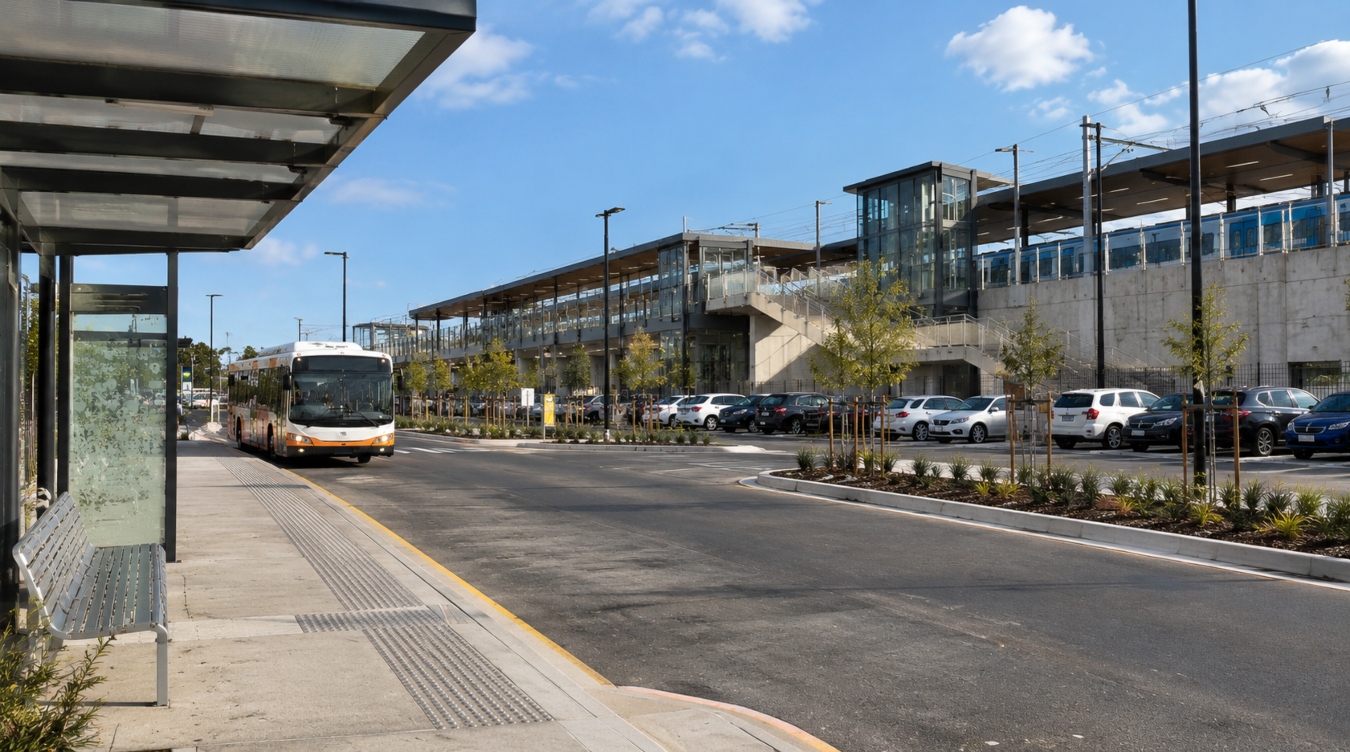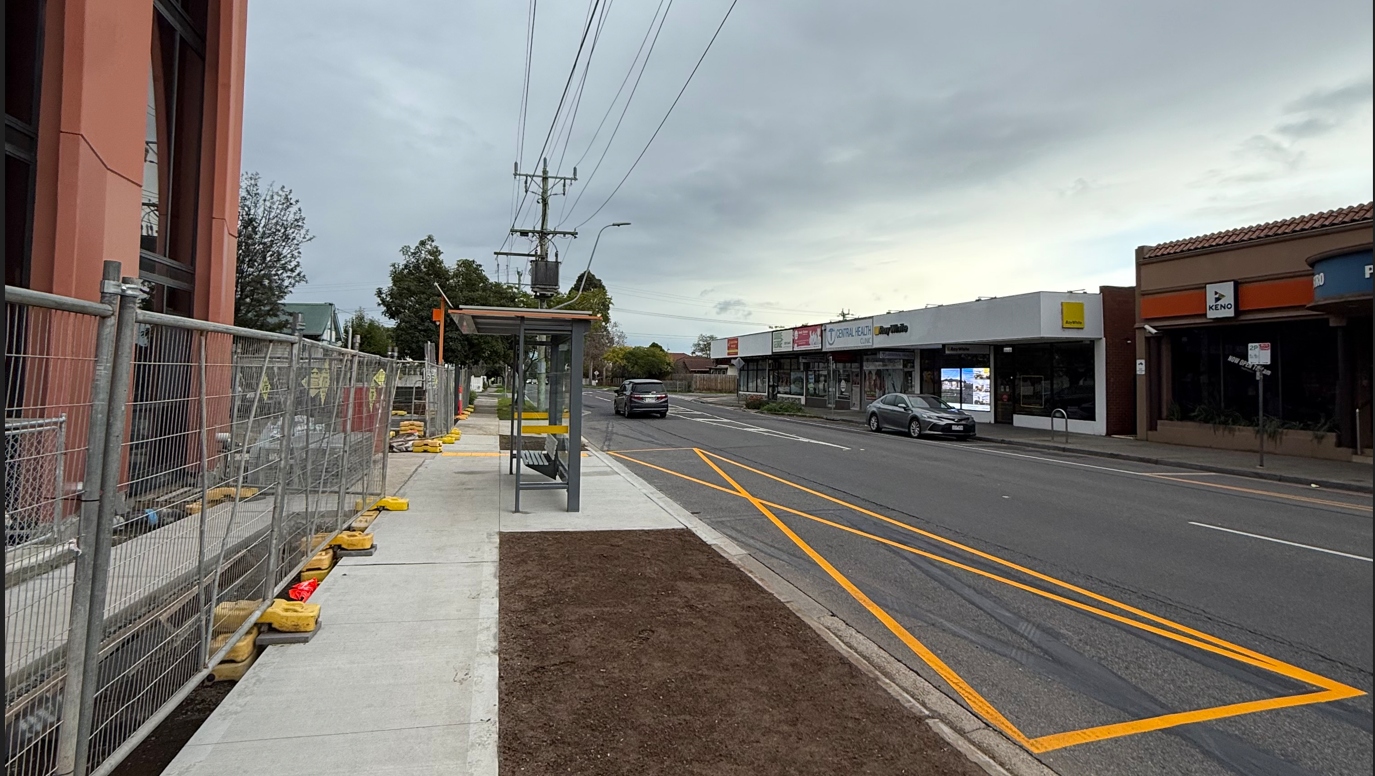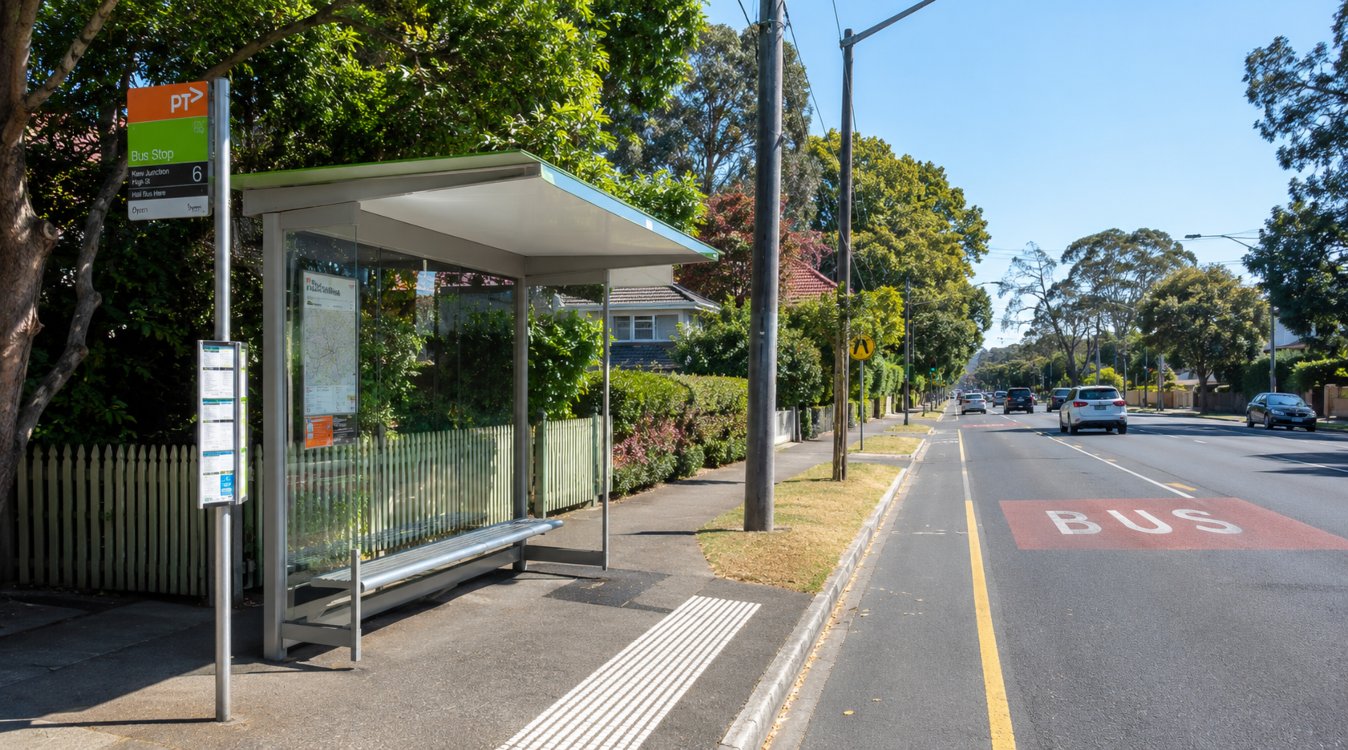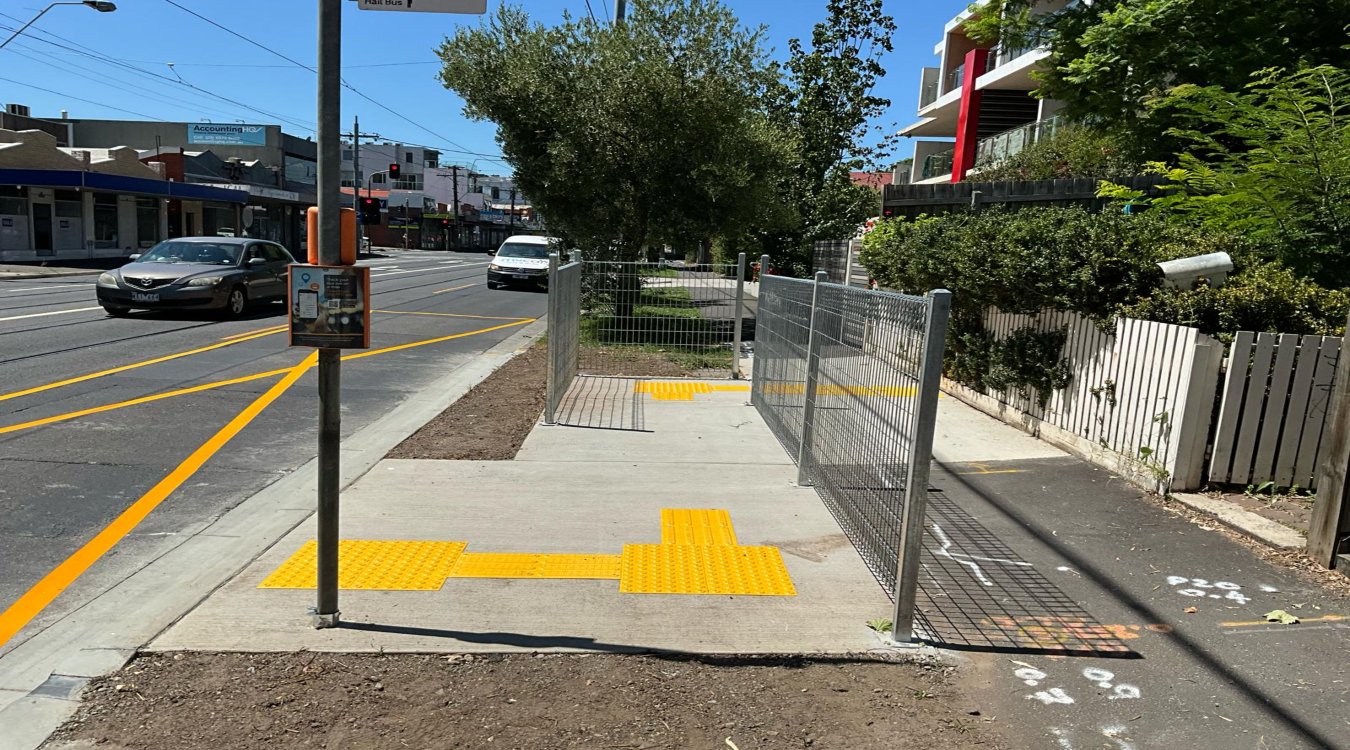
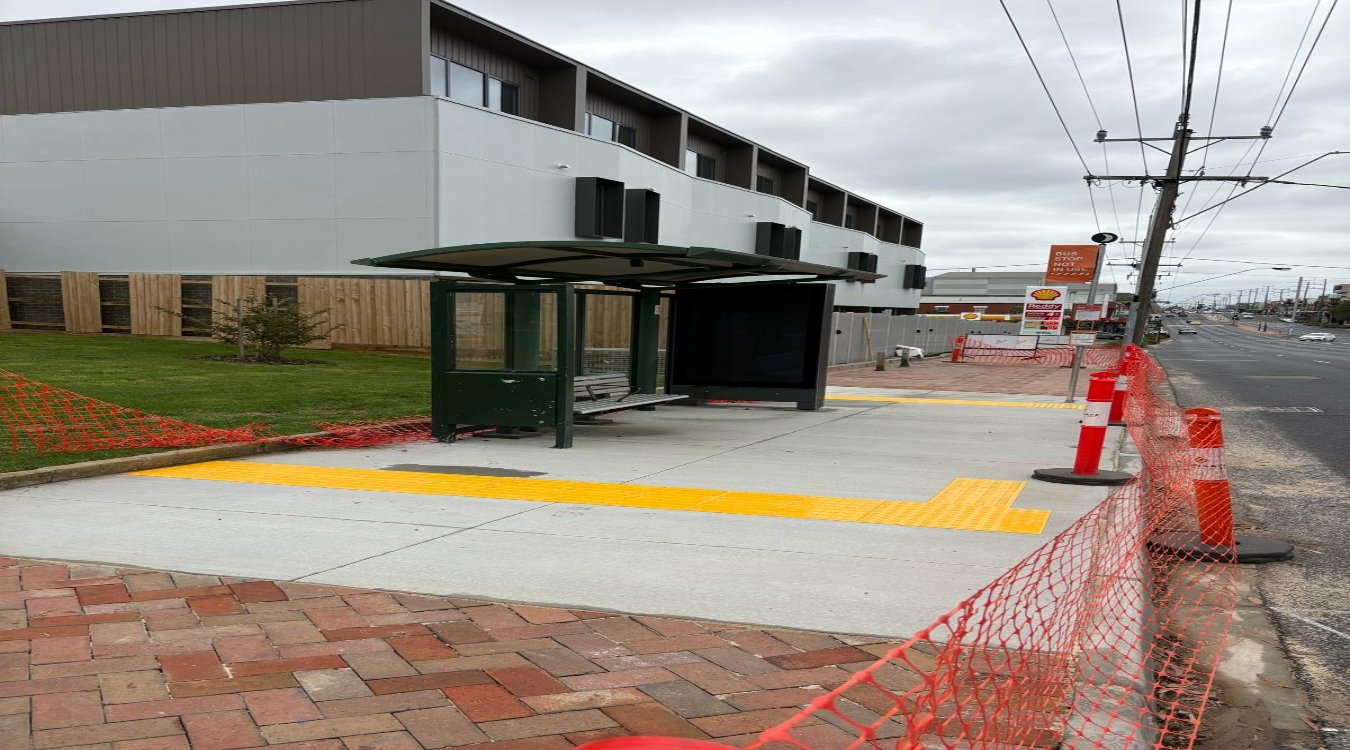
PROJECT SNAPSHOT
| Project Location | 419 North Road, Ormond, Melbourne VIC |
| Project Type | Urban Infrastructure Planning & Bus Shelter Relocation |
| Client / Contractor | Infra Projects Pvt Ltd |
| Scope | Survey, Design, Utility Investigation & Traffic Management |
BACKGROUND
A Routine Relocation With Anything-But-Routine Complexity
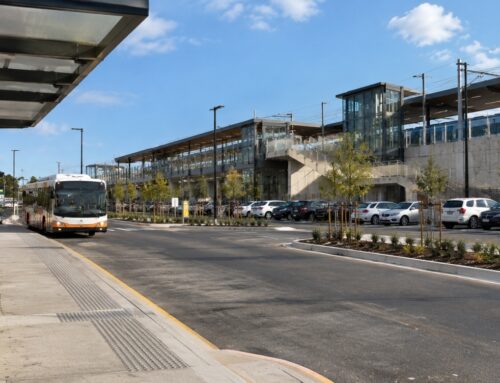
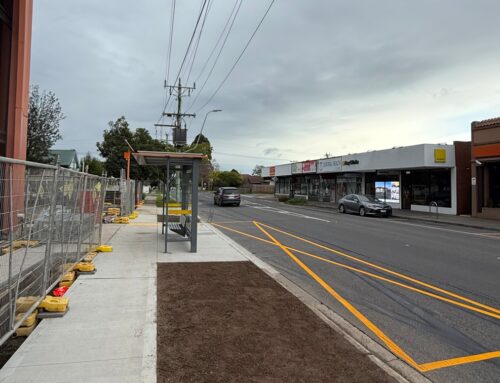
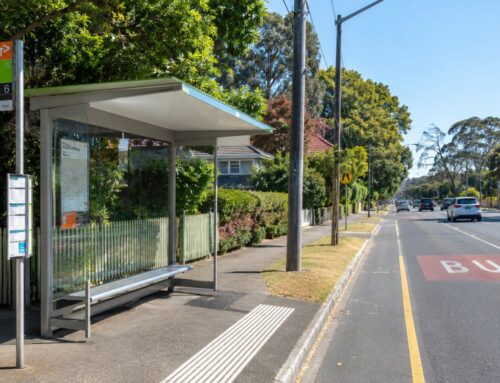
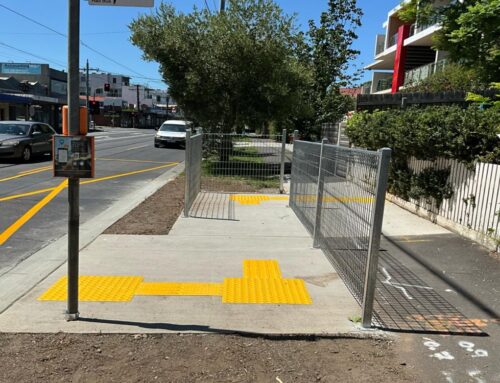
Bus shelter relocations rarely make headlines — but behind every relocated stop on a busy Melbourne arterial road lies a surprisingly complex chain of engineering, investigation, and regulatory work. When the bus shelter at 419 North Road, Ormond required repositioning to comply with updated Department of Transport and Planning (DTP) standards, our team was engaged to manage the full technical scope: from initial site survey through to approved design and safe execution on a live traffic corridor.
North Road carries continuous vehicle and pedestrian traffic throughout the day. Any misstep — an unmarked underground cable, a missed authority approval, an inadequate traffic management plan — could mean costly delays, safety incidents, or service disruptions. The margin for error was narrow. The planning had to be exact.
OUR APPROACH
Four Integrated Workstreams, One Coordinated Delivery
Rather than treating survey, design, utility investigation and approvals as sequential phases, our team ran these workstreams in parallel — sharing information in real time to compress the programme and avoid rework.
| 01 Site Survey & Data Collection | 02 Infrastructure Design & DTP Compliance | 03 Underground Utility Investigation | 04 Regulatory Approvals & Coordination |
1. Site Survey and Data Collection
The first task was to understand the existing environment in full detail. Our surveyors conducted precise measurements of the road layout, assessed pedestrian desire lines, and identified candidate relocation points for the shelter. Every viable position was evaluated against DTP infrastructure guidelines — setbacks from kerbs, sight-line requirements, clearance from driveways and intersections, and accessibility compliance for commuters with mobility needs.
2. Infrastructure Design and DTP Compliance
With survey data in hand, our design team prepared a full set of layout drawings for the relocated shelter. The design integrated the new structure into the surrounding pedestrian path network and road infrastructure, ensuring that the shelter’s final position met every requirement set by the Department of Transport and Planning. This documentation formed the technical backbone for all subsequent authority submissions.
3. Underground Utility Investigation
North Road, like most established Melbourne arterials, carries a dense network of services beneath its surface — electricity cables, gas mains, telecommunications conduits, and sewer lines. Before any physical work could proceed, these services needed to be located with precision. Our team conducted detailed underground surveys, traced service alignments, and where necessary carefully exposed buried infrastructure to confirm exact depths and positions. This data directly informed the shelter’s final design position, ensuring zero conflicts with existing utilities.
4. Regulatory Approvals and Authority Coordination
A project touching public road infrastructure in Melbourne requires sign-off from multiple independent authorities — each with its own technical requirements, review timelines, and submission formats. Our team managed simultaneous engagement with:
- Electricity authority
- Gas department
- Sewer authorities
- Traffic management authorities
- Department of Transport (DOT) and DTP
All permits were secured before any physical site activity commenced, eliminating the risk of mid-project stoppages.
KEY CHALLENGES
Three Pressure Points — and How We Resolved Them
| Challenge 1: Underground utility conflicts in a congested corridor Urban arterials accumulate service infrastructure across decades of successive upgrades. The risk of striking an unmarked or misregistered cable or pipe during excavation was real and consequential. Our solution was methodical: comprehensive desktop research against authority records, followed by physical scanning and selective exposures to verify alignment and depth. No assumptions were made on the basis of plans alone. |
| Challenge 2: Multi-authority approvals without sequential delays With five separate authorities each holding a gate on the programme, a sequential approval strategy would have stretched the timeline significantly. Instead, our team packaged submissions in parallel, maintained active communication with each authority, and responded to technical queries promptly. This kept the approval process compressed and ensured no single authority became a bottleneck. |
| Challenge 3: Traffic and pedestrian safety on a live road Survey and investigation activities on North Road could not be conducted behind closed roads. Our site team implemented a comprehensive traffic management plan: clearly positioned safety signboards, temporary barricades around the work zone, and deployed traffic controllers to maintain live vehicle flow throughout all site activities. Pedestrian access was continuously monitored and managed to ensure safe movement around the work area at all times. |
“Careful pre-construction investigation — not reactive problem-solving during execution — is what separates a smooth urban infrastructure project from a costly one.”
PROJECT OUTCOMES
Delivered On Compliance, On Safety, On Time
The project was completed successfully, with all critical objectives met. The bus shelter relocation was delivered in full conformance with DTP standards, with zero incidents during site activities and no disruption to existing underground services or live traffic operations.
| ✔ Survey and design prepared to DTP specification | ✔ All underground utilities safely identified and avoided |
| ✔ Full multi-authority approvals secured pre-construction | ✔ Live traffic and pedestrian movement maintained safely |
| ✔ Planning and preparation completed on programme | ✔ Zero safety incidents throughout site activities |
TAKEAWAYWhat This Project Tells You About Working In Urban Civil InfrastructureThe North Road bus shelter relocation is a representative example of the invisible complexity behind even modest urban infrastructure works in Melbourne. The physical construction component was straightforward. What required genuine expertise was everything that happened before: the survey precision, the utility investigation rigour, the parallel authority management, and the traffic safety discipline on a live corridor. For councils, developers, and project managers planning similar works — bus stops, footpath upgrades, kerb modifications, DDA retrofits — the lesson is consistent. Investment in thorough pre-construction planning pays back in avoided delays, avoided incidents, and approvals that arrive before you need them rather than after. If you have an upcoming urban infrastructure project in Victoria involving complex stakeholder coordination or constrained working environments, we would welcome a conversation. |