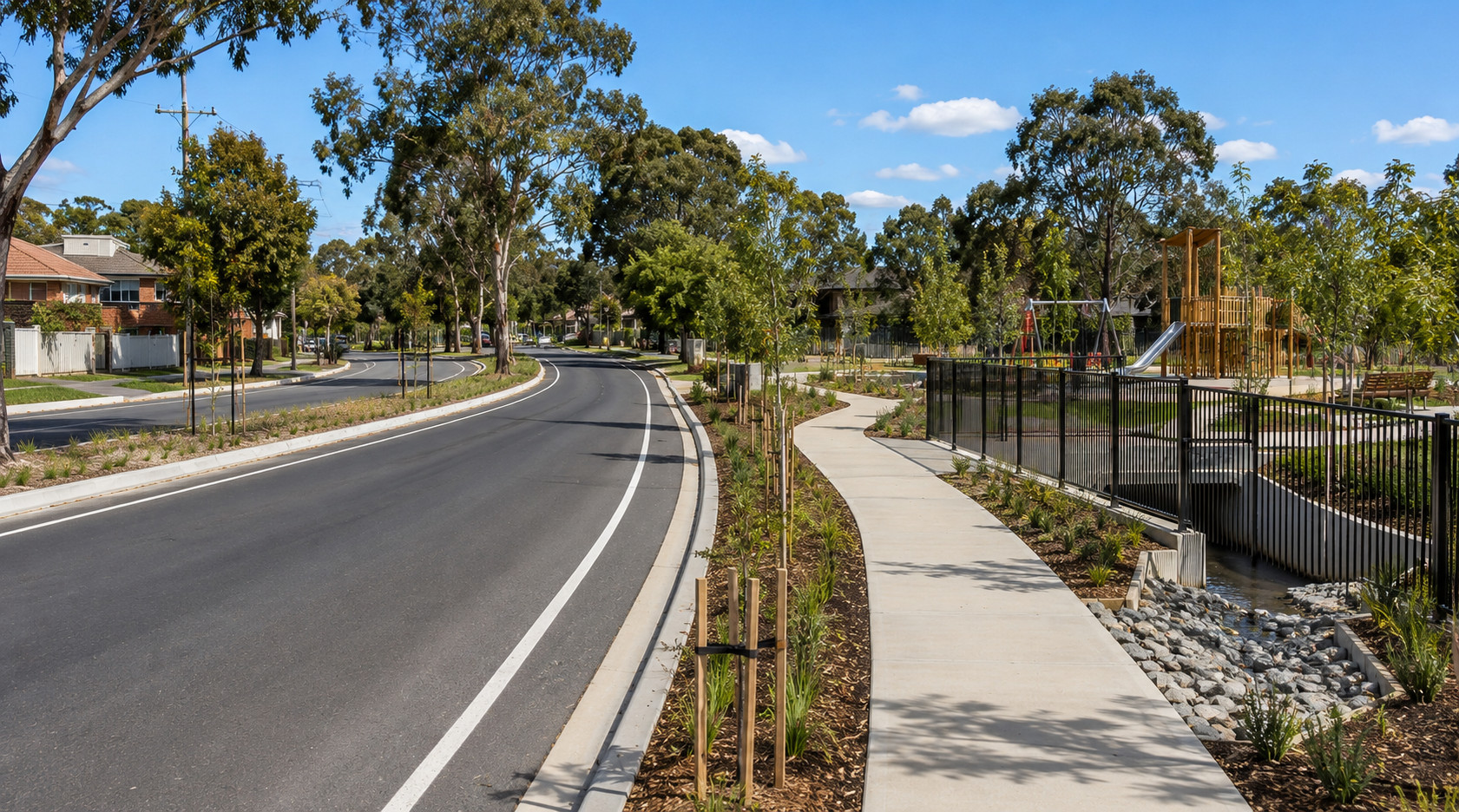
Banyule City Council is one of Melbourne’s most proactive local governments when it comes to investing in public infrastructure. As we move through 2026, a series of significant civil works are either underway or in the pipeline — spanning road resurfacing, stormwater drainage upgrades, footpath construction, road marking improvements, and broader community facility enhancements. For residents, business owners, and anyone interested in how Melbourne’s northern suburbs are being shaped for the future, understanding these projects matters.
This blog explores what’s happening across Banyule’s infrastructure landscape in 2026, why these projects are essential, and how experienced civil infrastructure construction partners are helping deliver results that last.
Why Banyule Is Investing in Infrastructure in 2026
Banyule manages an asset base valued at over $1.28 billion, covering roads, footpaths, bridges, stormwater drainage, buildings, and parks. The Council’s Asset Plan 2025–35 sets a clear mandate: maintain existing assets so they remain safe, accessible, and fit for purpose — while also planning for the demands of a growing and diversifying population.
Community consultation conducted through the Banyule Community ThinkTank and broader engagement with nearly 1,000 residents highlighted several key infrastructure priorities:
- Investing in existing assets and facilities so they are safe and fully usable
- Equitably distributing upgrades across all precincts
- Planning for population growth and changing community needs
- Ensuring assets remain adaptable for multiple community uses
These priorities directly shape what civil construction projects are being funded and delivered across Banyule in 2026.
Road Upgrades Across Banyule Suburbs
Resurfacing and Rehabilitation
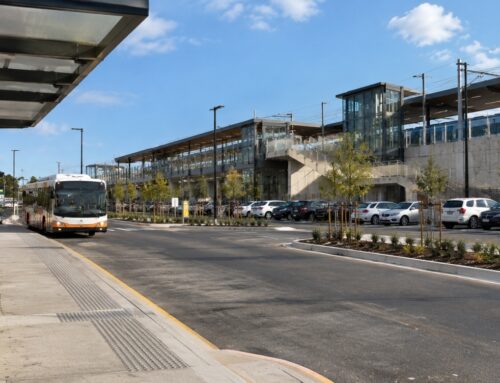
Road maintenance remains one of the largest areas of civil infrastructure construction activity in Banyule. Ageing road surfaces across residential precincts — including suburbs like Heidelberg, Greensborough, Macleod, Rosanna, and Bundoora — are being inspected, assessed, and progressively resurfaced.
The Council’s Road Management Plan, adopted in mid-2025, governs how roads are inspected and repaired. Under the updated plan, response times for lower-risk defects such as edge breaks and shoulder issues have been reduced from 90 days to 60 days — reflecting the community’s clear demand for faster action on road safety concerns.
For a civil construction company Melbourne operators rely on, delivering compliant road rehabilitation work means understanding local standards, Council specifications, and the material requirements set by Banyule’s standard drawings for residential, collector, commercial, and industrial street profiles.
Special Charge Schemes for Unsealed Road Upgrades
Banyule also operates a Special Charge Scheme (SCS) to upgrade unsealed or sub-standard roads where at least 65% of affected property owners are in support. In 2026, several SCS-initiated projects are contributing to road sealing, kerb and channel construction, and new drainage connections across older residential pockets of the municipality.
These projects require experienced civil infrastructure construction teams capable of working efficiently in tight residential corridors, coordinating with utility providers, and delivering works with minimal disruption to residents and traffic.
Stormwater and Drainage Infrastructure
Addressing Flood Risk in a Changing Climate
Drainage is one of Banyule’s most critical and complex infrastructure challenges. With climate change bringing less frequent but more intense rainfall events, the risk of localised flooding is increasing across Melbourne’s northern suburbs. Banyule’s flood management strategy focuses on:
- Cleaning and fixing drainage pits and pipes — identified by 56% of community survey respondents as the top priority
- Planning and building new drainage infrastructure — cited by 17% of respondents
- Improving stormwater reuse and pollution reduction
- Strengthening planning and building controls around flood-prone areas
In 2026, capital works programmes are funding new pipe installations, pit upgrades, and drainage easement improvements across affected suburbs. These works require contractors experienced in infrastructure construction services that meet Melbourne Water standards and Banyule’s own drainage guidelines and planning approval requirements.
Proactive Maintenance programmes
Beyond capital works, Council is leveraging new technology to improve proactive maintenance of stormwater assets — including CCTV pipe inspections, condition assessments, and priority-based remediation scheduling. Civil construction teams engaged for drainage works in Banyule must be equipped to respond quickly and work to tight standards.
Footpath Construction and Pedestrian Network Upgrades
Expanding and Repairing Banyule’s Footpath Network
Safe, accessible footpaths are a cornerstone of any liveable suburb — and Banyule’s 2026 programme reflects serious investment in this area. The updated Road Management Plan sets clear response times for footpath defects, with 94% of community feedback respondents supporting the proposed inspection and repair timelines.
Key footpath works across Banyule in 2026 include:
- New footpath construction in areas lacking continuous pedestrian connections
- Footpath rehabilitation on heavily worn or cracked sections of existing pathways
- Accessible path upgrades, including tactile ground surface indicators (TGSIs) at pedestrian crossings
- Shared path improvements connecting residential areas to parks, schools, and activity centres
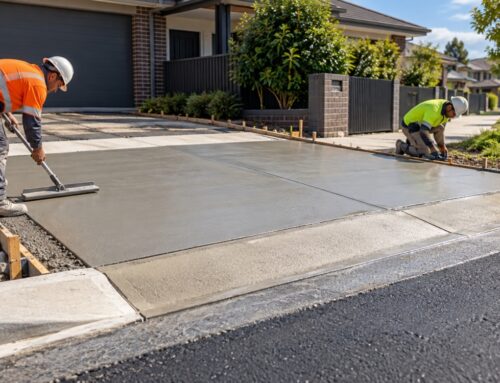
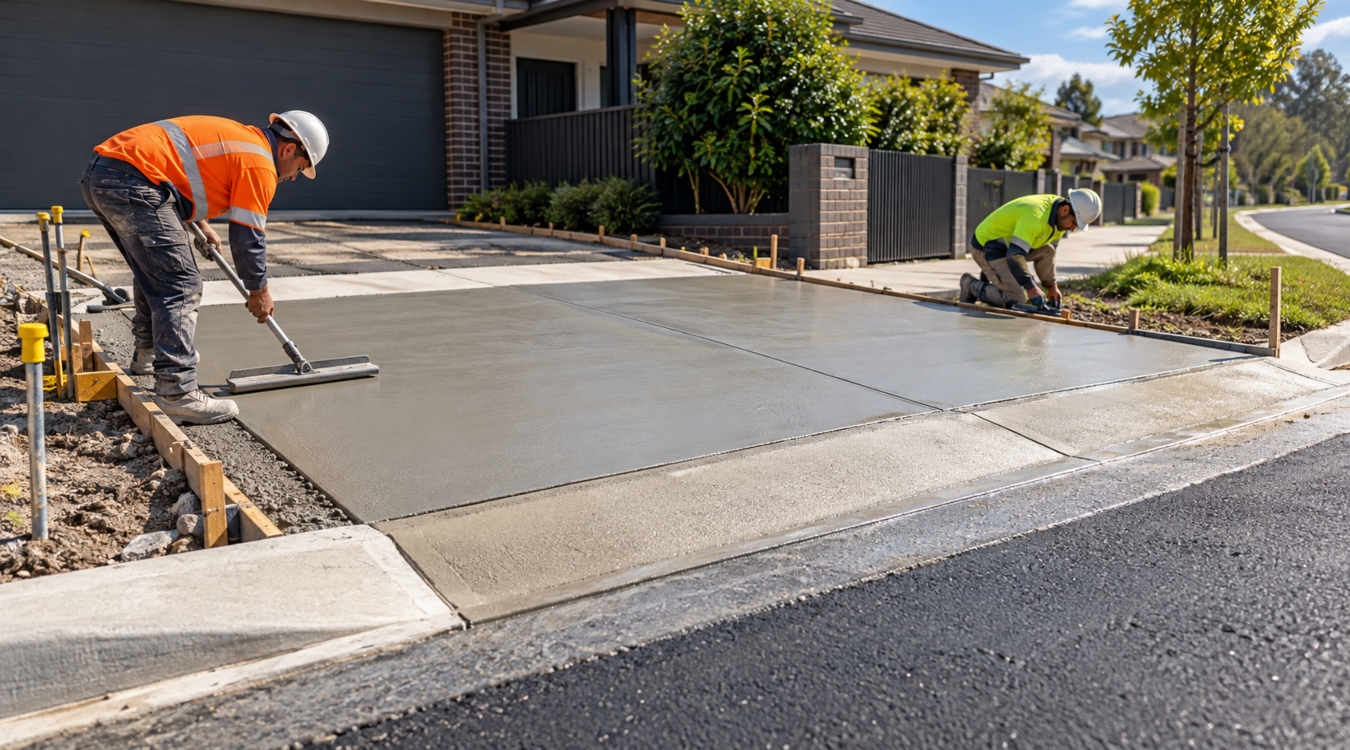
For any footpath construction Melbourne provider operating in Banyule, works must comply with Council’s standard drawings, the Disability Discrimination Act accessibility requirements, and relevant Australian Standards for path gradient, width, and surface finish.
Why Footpath Quality Matters for Communities
Footpaths are not just about convenience — they are a safety issue. Cracked, uneven, or missing paths create real hazards for pedestrians of all ages, particularly older residents, people with mobility aids, and young children. As Banyule’s population grows and ages, demand for high-quality footpath networks is only going to increase.
A skilled footpath contractor Melbourne businesses and councils trust will bring not just construction capability, but an understanding of community context — delivering paths that connect people to where they need to go.
Road Marking and Line Marking Projects
Keeping Banyule’s Roads Safe and Legible
Road marking is one of the most visible yet often underappreciated elements of civil infrastructure. Clear, compliant line markings improve safety for drivers, cyclists, and pedestrians alike. In 2026, as new roads are constructed and existing surfaces are rehabilitated, road marking programmes are running in parallel to ensure:
- Centre lines, edge lines, and lane markings are refreshed
- Pedestrian crossings, stop lines, and give-way markings are clearly maintained
- Bicycle lanes are delineated and visible
- School zones and parking restrictions are correctly marked
Experienced road marking contractors working in Banyule understand the requirements of VicRoads guidelines and Australian Standard AS 1742 for road marking. Quality line marking significantly extends the effective life of traffic management infrastructure and is a critical component of any road upgrade project.
Community Infrastructure and Facility Upgrades
Parks, Open Spaces, and Public Amenities
Beyond roads and drainage, Banyule’s 2026 capital works programme also encompasses community facility upgrades. These projects complement the civil construction works by improving the broader environment in which residents live and move:
| Project Type | Examples in Banyule 2026 | Key Benefit |
| Park and reserve upgrades | Playground renewals, seating, lighting | Improved community amenity |
| Shared path extensions | Connections to Darebin Creek trail | Active travel and recreation |
| Car park resurfacing | Community centres and sporting reserves | Safety and accessibility |
| Kerb and channel works | Residential streets across all precincts | Drainage and road edge protection |
| Accessible infrastructure | Ramps, TGSIs at crossings and paths | Inclusion and DDA compliance |
These community-facing works are often delivered alongside road and drainage projects, allowing civil construction teams to achieve efficiencies and minimise disruption by combining multiple scopes of work in a single mobilisation.
The Role of Civil Construction Companies in Delivering Banyule’s Infrastructure
What Council Projects Demand from Contractors
Banyule’s growing infrastructure programme creates significant demand for capable, compliant civil construction partners. Whether it’s a road rehabilitation contract, a drainage upgrade, footpath renewal, or road marking project, Council expects contractors to demonstrate:
- Quality management systems aligned with ISO 9001 standards
- Environmental management practises to protect Banyule’s urban waterways and green spaces
- Traffic management planning to safely maintain access during construction
- Workplace health and safety compliance under Victorian OHS legislation
- Experience with Council standards and Banyule standard drawings for civil works
For a civil construction company Melbourne contractors and council procurement teams work with, the ability to self-perform multiple trades — earthworks, concrete, drainage, asphalt, and line marking — is a significant advantage on complex projects.
Supporting Local Communities Throughout Construction
Beyond technical capability, the best infrastructure construction services providers understand that construction in a suburban environment affects real people. Site cleanliness, clear communication with affected residents, managing noise and dust, and completing works on schedule are all part of delivering a project successfully in a community like Banyule.
Looking Ahead: Banyule’s Infrastructure Pipeline Beyond 2026
Banyule’s Asset Plan 2025–35 sets a ten-year vision for how the municipality will manage and grow its civil asset base. The plan responds directly to community feedback received from nearly 1,000 residents and dozens of ThinkTank participants — ensuring that infrastructure investment reflects genuine local priorities.
Key themes shaping infrastructure investment across the coming years include:
- Population growth in activity centres like Heidelberg, Greensborough, and Bundoora driving demand for new roads, paths, and drainage
- Climate resilience requiring ongoing investment in flood mitigation and drainage capacity
- Active transport with expanding walking and cycling networks connecting key destinations
- Equity of access ensuring all precincts — not just high-profile areas — receive consistent infrastructure investment
For civil construction businesses operating in Melbourne’s northern suburbs, Banyule’s infrastructure pipeline represents sustained opportunity. Contractors who build relationships with Council, demonstrate consistent quality, and invest in skilled local teams will be well-placed to participate in this growing programme.
Conclusion
Banyule’s infrastructure investment in 2026 is substantial, strategic, and community-driven. From road resurfacing and stormwater drainage upgrades to footpath construction and road marking programmes, the works underway reflect a genuine commitment to making Banyule’s suburbs safer, more accessible, and better connected.
For residents, these projects mean better roads to drive on, safer paths to walk along, and a drainage network better equipped to handle Melbourne’s increasingly unpredictable weather. For the civil construction company Melbourne professionals who plan and deliver these works, Banyule represents a Council that takes infrastructure seriously — and invests accordingly.
As demand for infrastructure construction services across Melbourne’s growth corridors continues to rise, Banyule’s 2026 programme stands as a strong example of how thoughtful planning and community engagement can shape a civil works programme that truly delivers for people.