Why the Summer Holidays Matter for School Infrastructure
During term, a school car park handles peak traffic twice a day from cars, buses, students and staff. Working there means traffic management, exclusion zones and children close to plant and equipment.
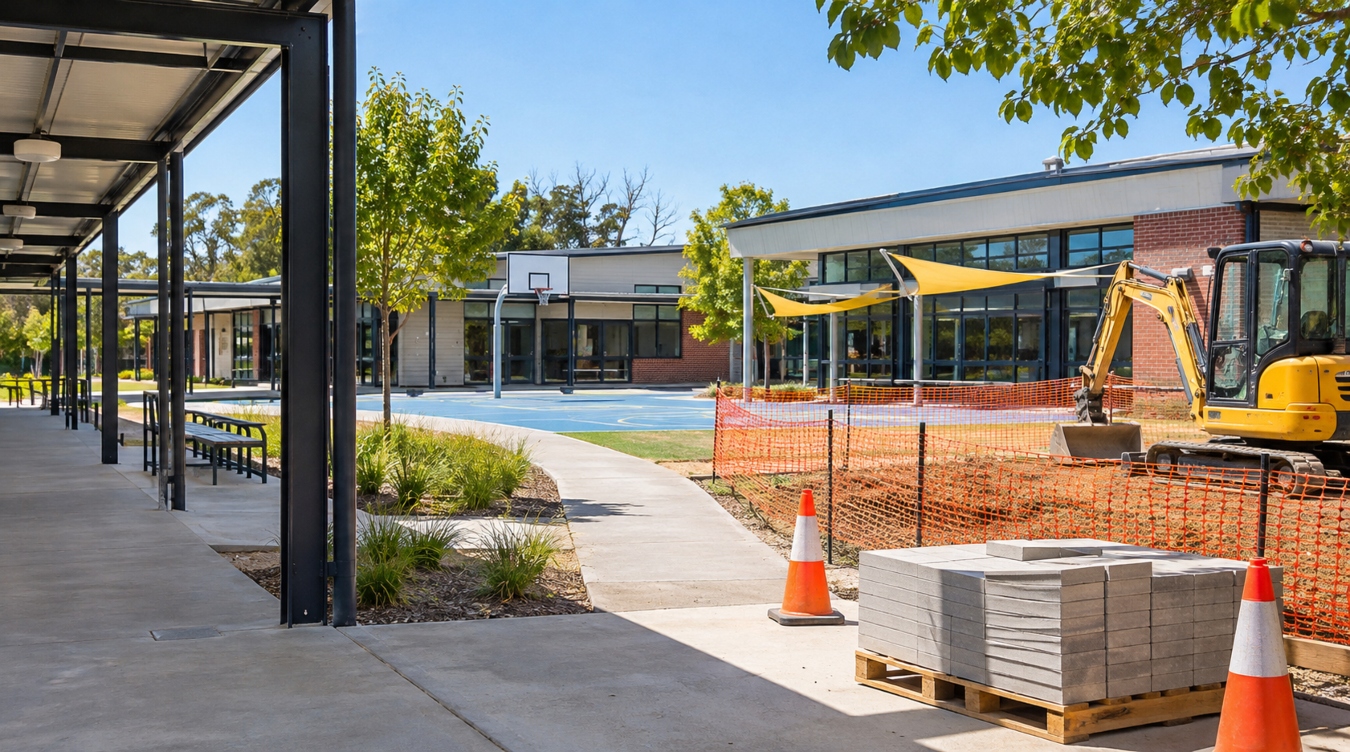
The summer break removes most of that risk. Contractors can close whole sections of a car park, reconstruct pavements, upgrade bus bays and re-mark the site in one continuous program instead of a series of weekend jobs.
The catch is that holiday works can’t be booked at the last minute. Councils, shopping centres and industrial sites compete for the same asphalt crews, concrete suppliers and line marking teams. Many asphalt plants, quarries and concrete suppliers also close or run reduced hours over Christmas and New Year. Schools that plan early get their preferred dates. Schools that start in January often have to wait for the next holidays.
Key Dates for the 2026-27 Works Window
| Milestone | Date |
| Last day of Term 4 (government schools) | Friday 18 December 2026 |
| Christmas Day | Friday 25 December 2026 |
| Boxing Day (additional public holiday) | Monday 28 December 2026 |
| New Year’s Day | Friday 1 January 2027 |
| Australia Day | Tuesday 26 January 2027 |
| Teachers return | Wednesday 27 January 2027 |
| Students return | Thursday 28 January 2027 |
Catholic and independent schools may follow different dates. Government school dates are published on the Victorian Government’s school term dates page.
What Schools Typically Upgrade Over Summer
Car Parks and Drop-Off Zones
Cracked, potholed or poorly drained pavements deteriorate faster under heavy daily traffic. Summer is the best time for:
- Asphalt resurfacing or full pavement reconstruction
- Reconfiguring kiss-and-drop zones to improve traffic flow
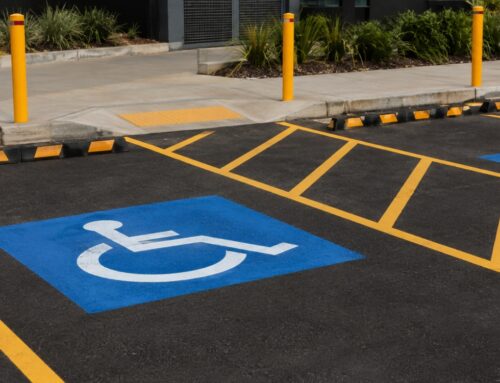
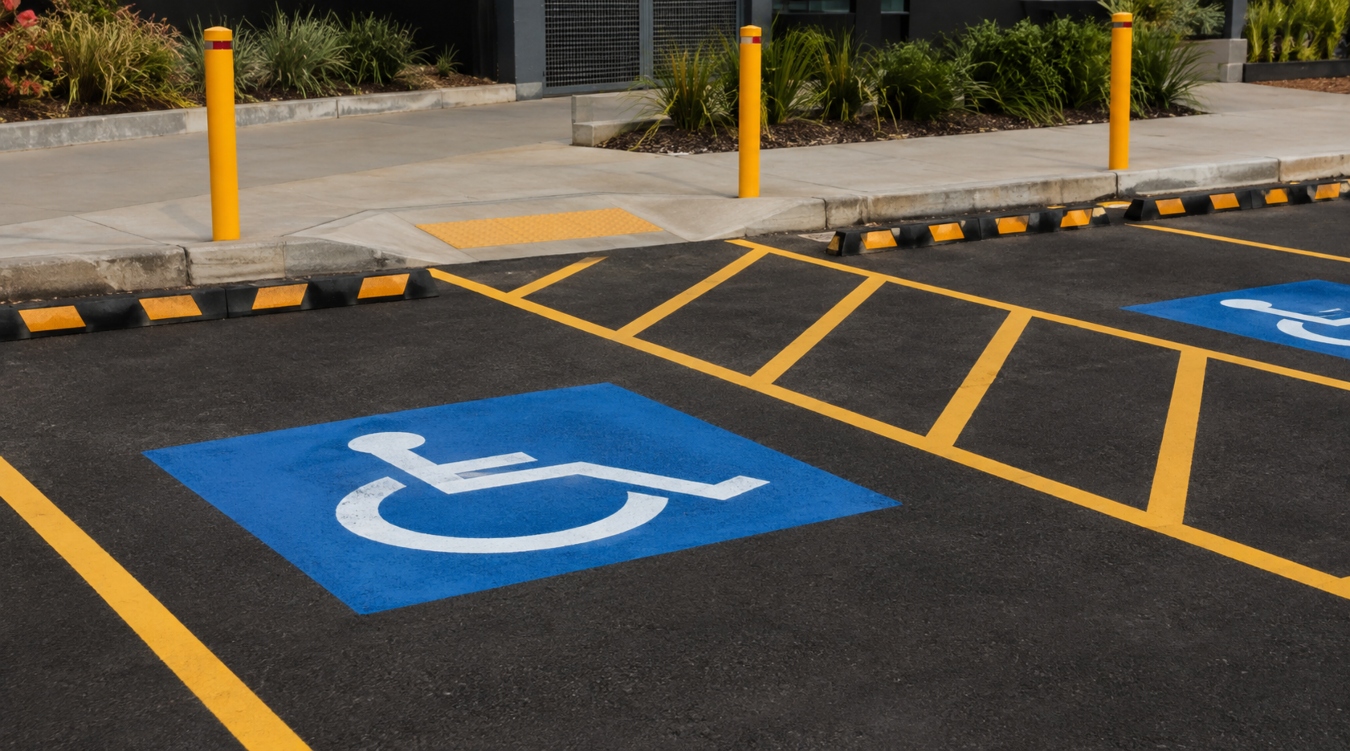
- Adding or upgrading accessible parking bays
- Drainage repairs and kerb replacement
An experienced car park contractor in Melbourne will assess the base course as well as the surface, because a new wearing course will not last over a failed sub-base. (How Melbourne’s Extreme Heat Damages Car Parks (and What to Do Before Summer 2026-27))
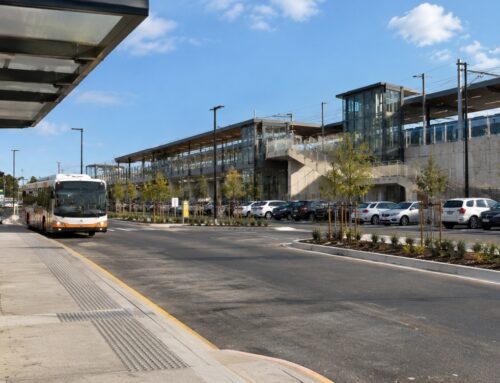
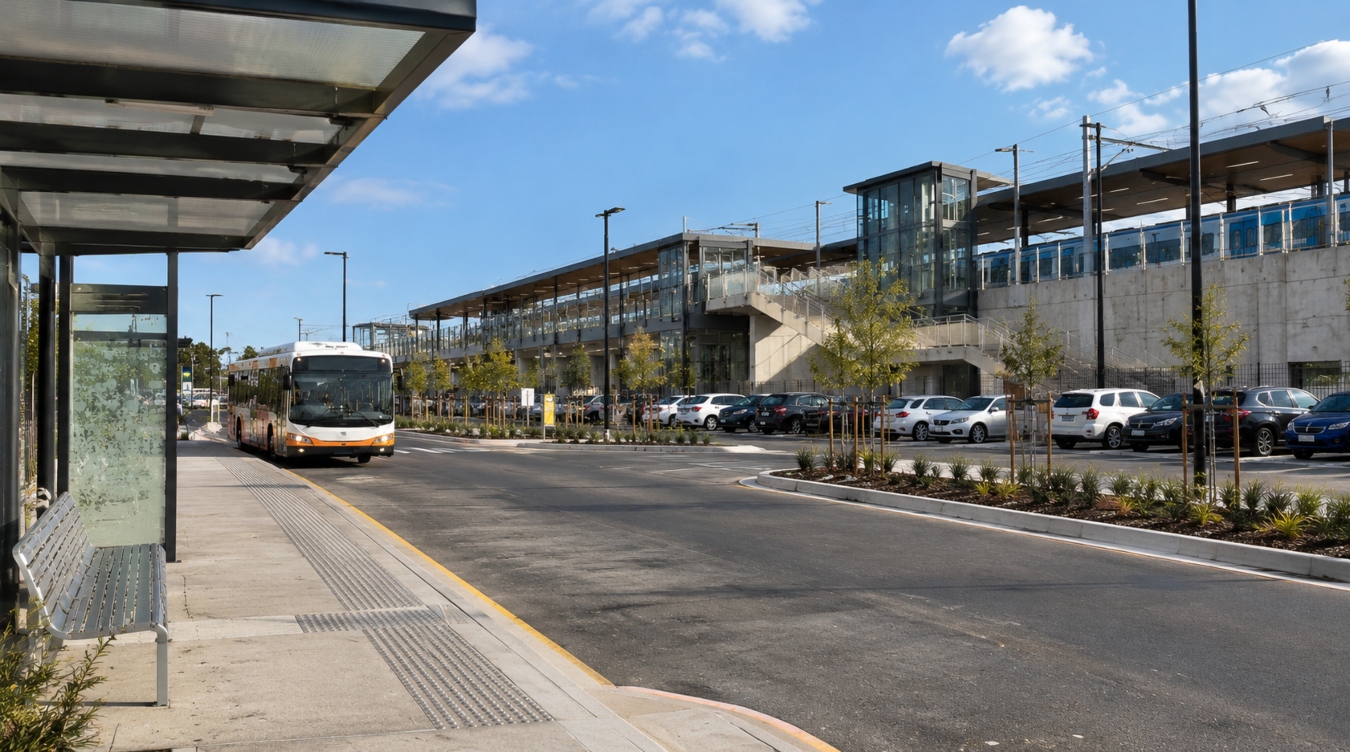
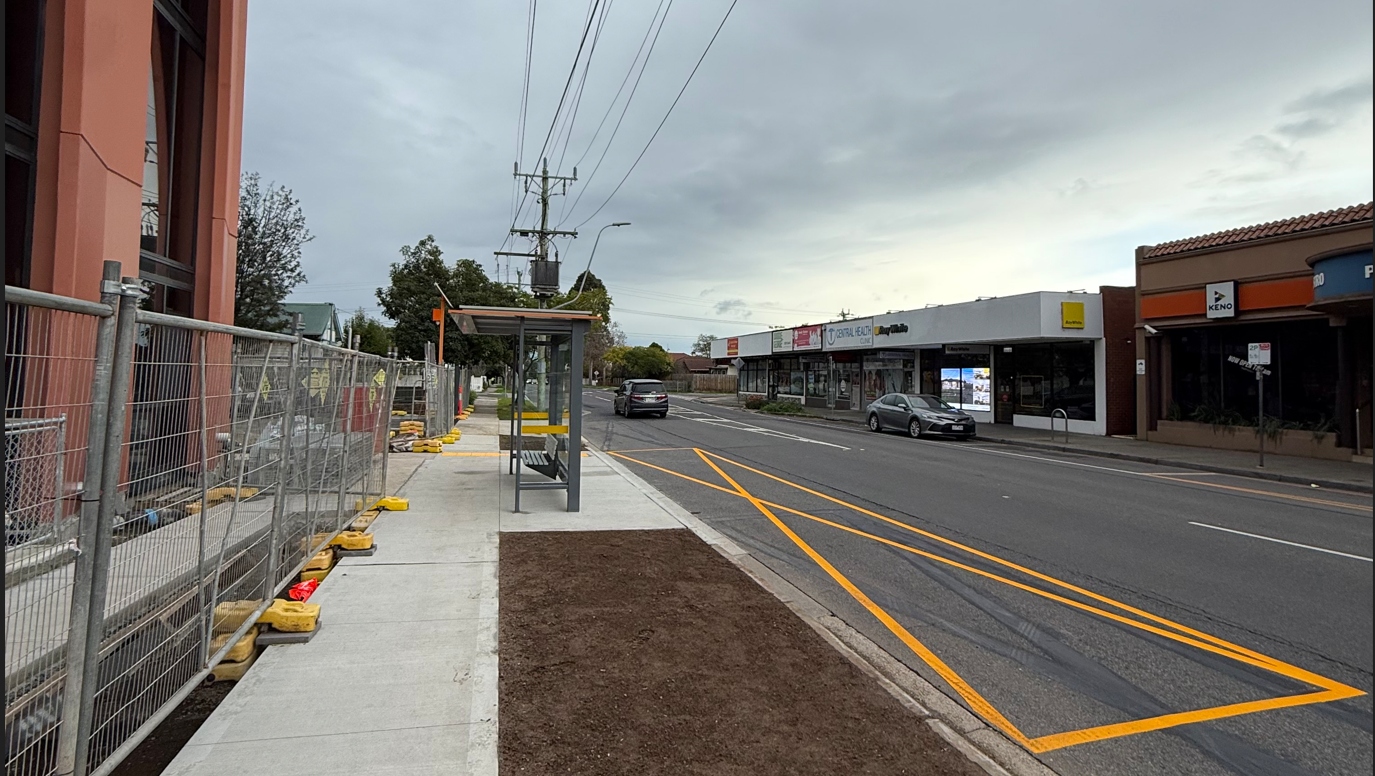
Bus Stops and Bus Bays
Public bus stops that serve schools must meet the Disability Standards for Accessible Public Transport (DSAPT). The standards cover boarding points, access paths, ramps, waiting areas, surfaces and tactile ground surface indicators (TGSIs). The Australian Government amended the DSAPT on 13 October 2026, with new requirements for bus stops and nearby locations such as car parks. The changes are phased in, so check which requirements apply to your stop before the design is finalised.
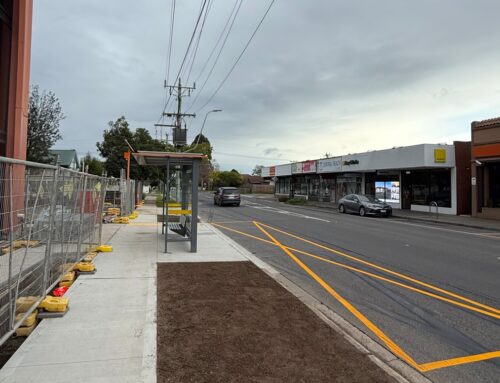
A qualified bus stop builder can upgrade a stop in one stage while school bus services are not running. Typical works include:
- Raised boarding platforms and compliant kerb profiles
- TGSI installation to AS/NZS 1428.4.1
- Accessible paths linking the stop to the school gate
- Concrete pads and shelter footings
Works within a road reserve need consent from the coordinating road authority before they start. That is usually the local council for municipal roads and the Department of Transport and Planning (DTP) for arterial roads. DTP aims to respond to applications within 20 business days, so permits lodged in late November may not be issued until late December. Late approvals are the most common reason holiday programs slip.
Footpaths and Kerb Ramps
Trip hazards around school entrances create a liability risk. The holidays are a good time to replace damaged footpath sections and install compliant kerb ramps.
Line Marking
Faded markings are both a safety and a compliance problem. Pedestrian crossings, no-standing zones, bus bays and accessible parking all depend on clear, compliant line marking. The relevant standards include:
- AS 2890.1 for off-street car parking layouts
- AS 2890.6 for accessible parking spaces
- AS 1742 series for traffic control devices, including school zones and pedestrian crossings
Line marking should be the final task, after pavement, kerb and concrete works are complete. Fresh asphalt is often left to settle before permanent markings are applied, so temporary markings may be needed when students return. (DDA Parking Upgrades: What Victorian Councils Are Spending in 2025–2026 and What It Means for Your Site)
A Planning Timeline for Holiday Works
- Mid-November: assess and scope Arrange a site assessment of the car park, bus stops and paths. Identify defects, compliance gaps and priorities.
- Late November: permits and contractor selection Lodge road reserve permits as soon as the scope is confirmed. Agree the staging and program with your contractor.
- Early December: lock in the program Confirm material orders, crew allocation and traffic management plans. Notify staff and the school community about access changes.
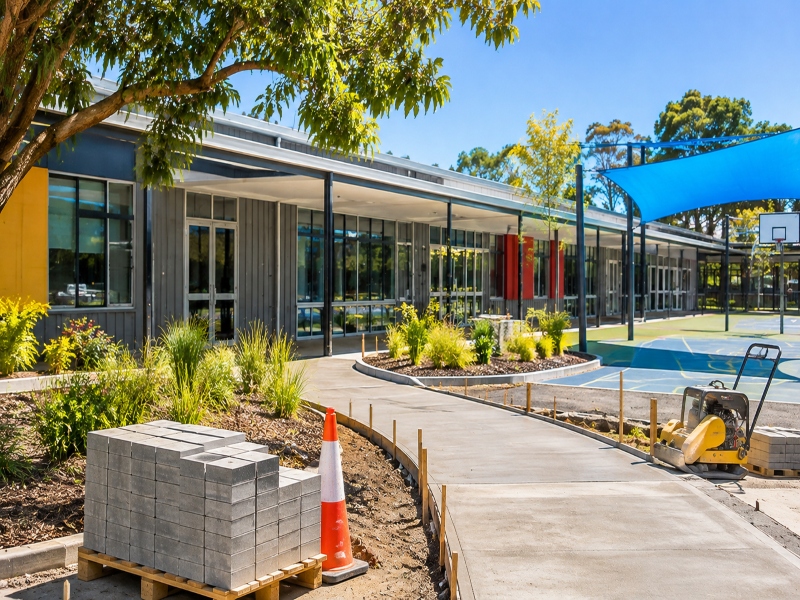
- 19 December to 22 January: construction Deliver the works in sequence: demolition and earthworks, then pavement and concrete, then kerbs and TGSIs, and finally line marking and signage. Allow contingency days for extreme heat, which can affect concrete pours and crew safety.
- 25 January: inspection and handover Inspect the works, rectify any defects and confirm the site is safe before teachers return on 27 January.
Common Mistakes That Delay School Projects
- Starting too late. Contractors and suppliers are often fully booked well before the break begins.
- Lodging permits late. Road reserve consents can take up to 20 business days to process.
- Underestimating scope. Surface damage often hides base failure or drainage problems.
- Ignoring compliance. Upgrading a car park without bringing accessible bays and paths up to standard leaves the school exposed.
How InfraProjects Group Delivers School Holiday Works
InfraProjects Group manages civil infrastructure projects across metropolitan Melbourne, from first assessment to handover. For schools, we coordinate the full holiday program:
- Car park construction, resurfacing and drainage
- Bus stop construction and DDA and DSAPT upgrades
- Footpath, kerb and kerb ramp works
- Line marking and signage to Australian Standards
We work to council and Department of Transport and Planning (formerly VicRoads) requirements, hold WHS certification and follow quality assurance practices on every project. A single point of contact manages scheduling, approvals and trade coordination, so the works are finished before students return.
Frequently Asked Questions
Q1. When should a school book summer holiday infrastructure works?
Ans – As early as possible, and ideally before the end of November. This leaves time to secure permits, materials and crews before the break begins on 19 December 2026.
Q2. How long does a school car park upgrade take?
Ans – A resurface with new line marking can take a few days. A full reconstruction with drainage and kerb works can take several weeks. A site assessment will confirm the timeframe for your site.
Q3. Do bus stops near schools need to meet DDA requirements?
Ans – Yes. Public bus stops must comply with the Disability Standards for Accessible Public Transport, which cover boarding points, access paths, ramps and tactile indicators. The standards were amended on 13 October 2026, with new requirements phased in over time.
Q4. Can permanent line marking go down straight after asphalt is laid?
Ans – Not always. Fresh asphalt is often left to settle before permanent markings are applied. Your contractor should plan for temporary markings if the timing is tight.
Book Your Summer Works Now
The 2026-27 holiday window is short and filling quickly.
Contact InfraProjects Group to arrange a site assessment and secure a place in our summer program.